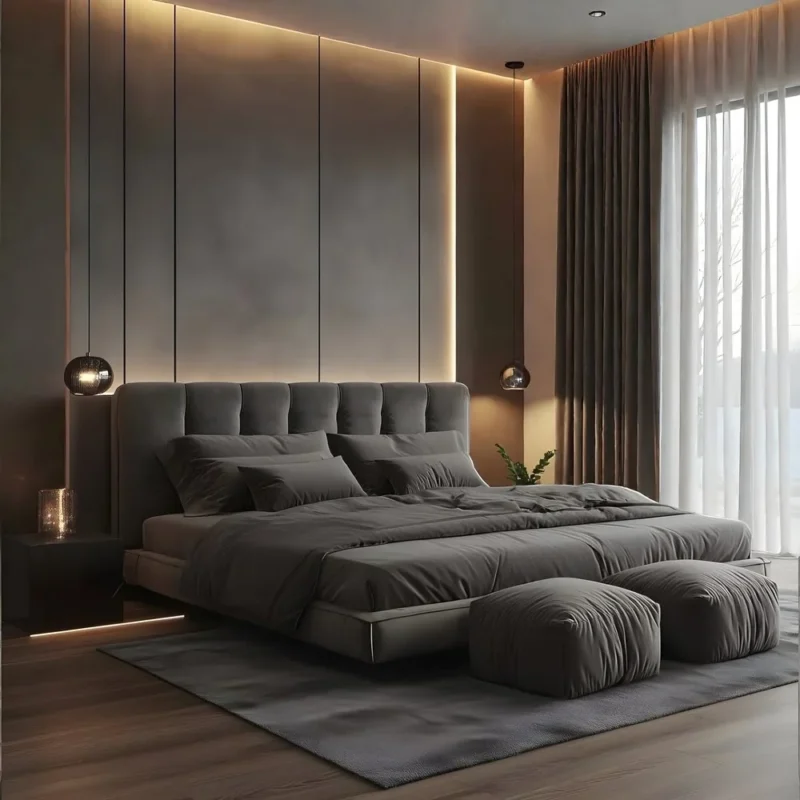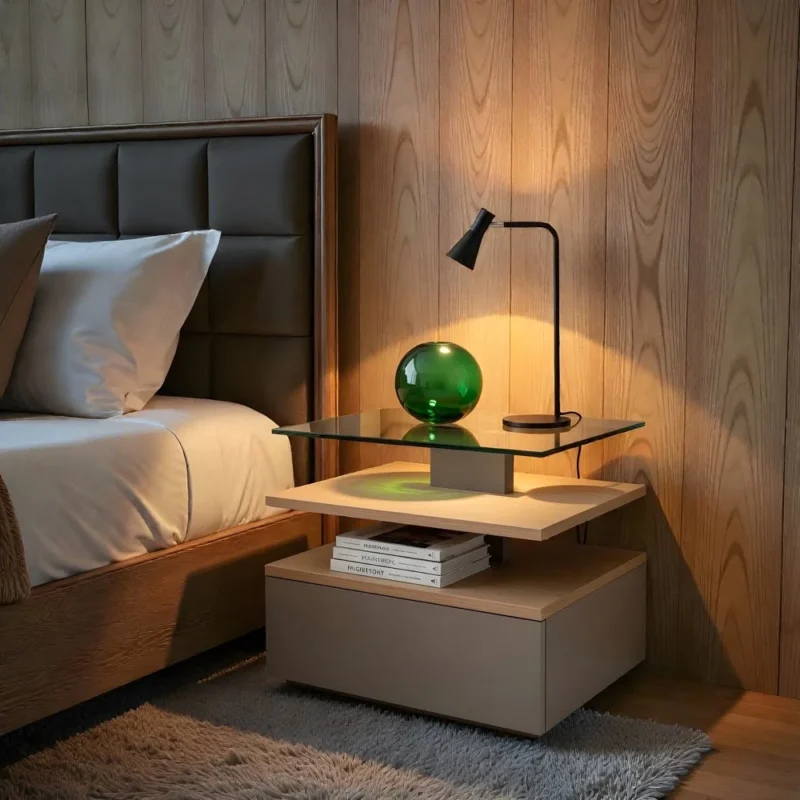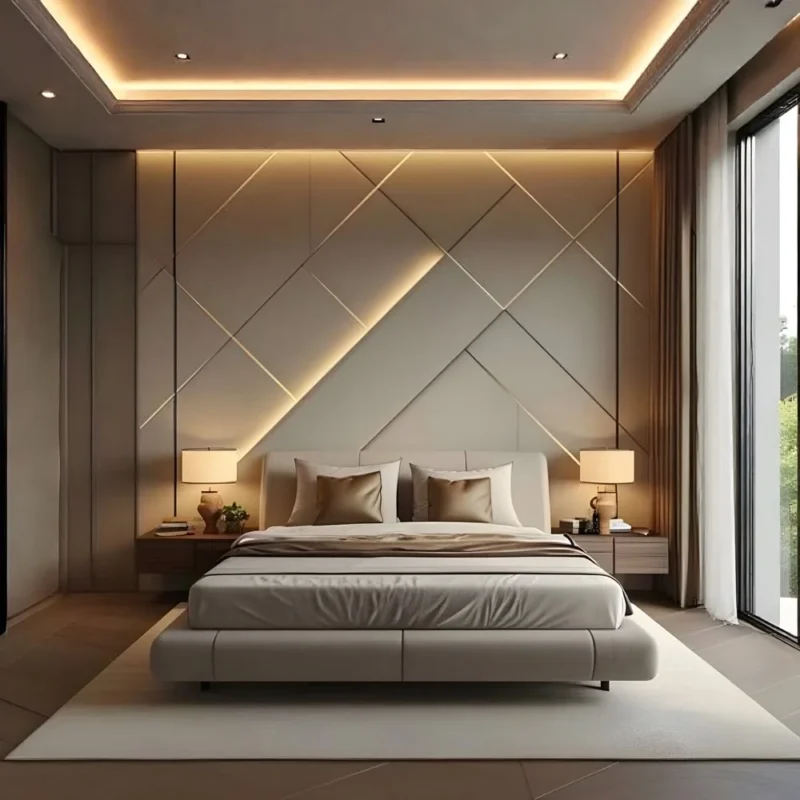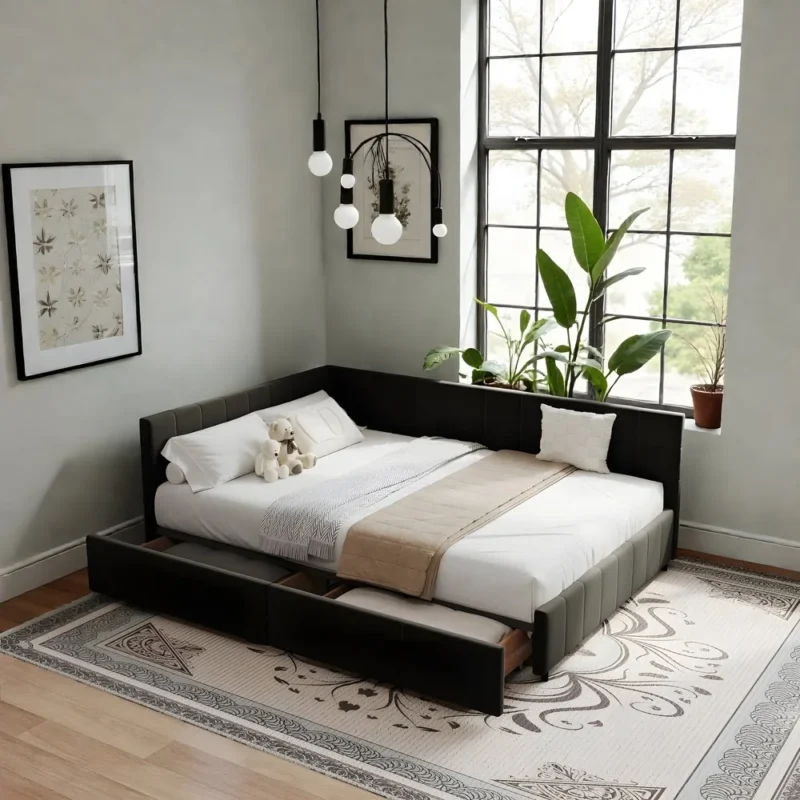

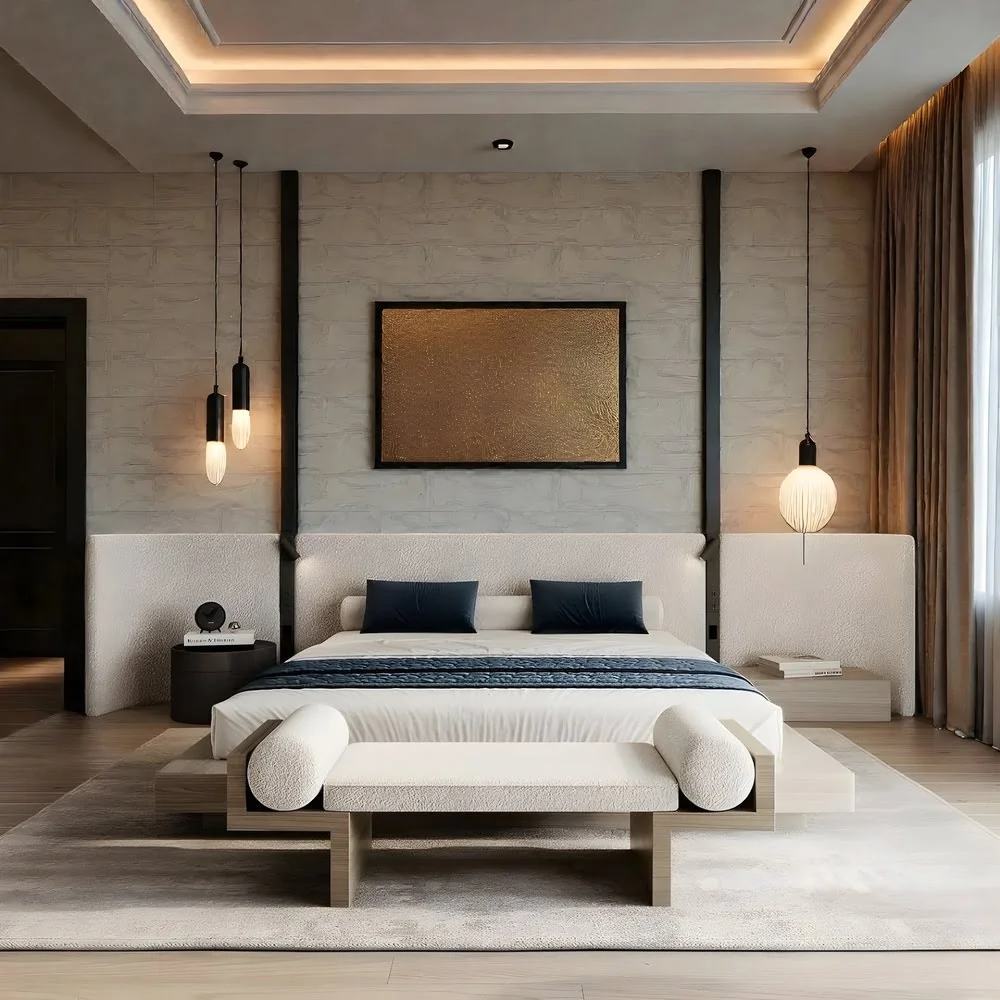
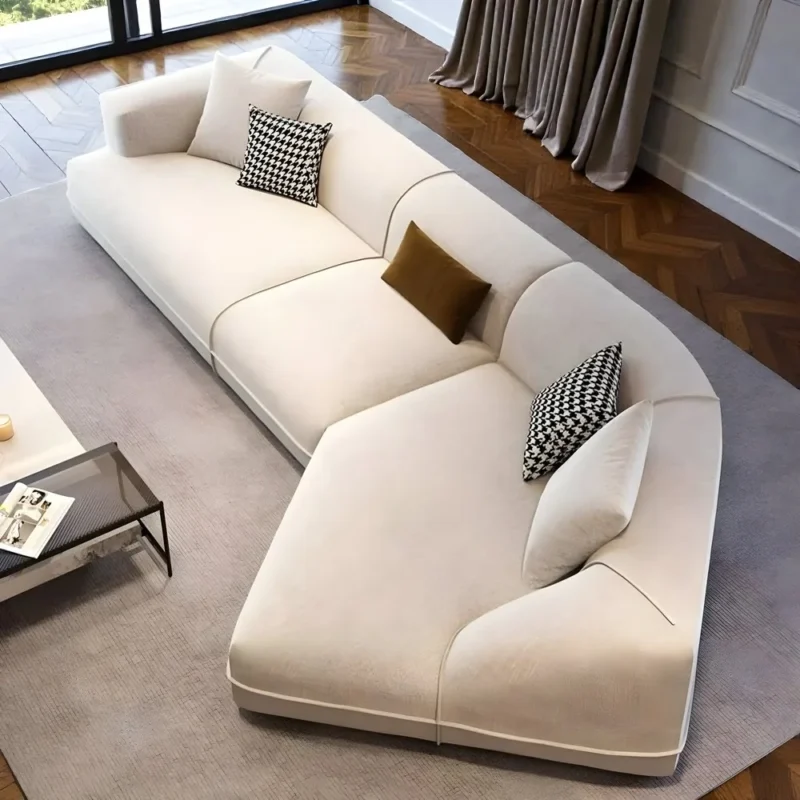
Statement Piece Interior Design is all about creating a focal point while maintaining balance and functionality. Whether it’s a bold sofa, elegant dining table, or eye-catching accent chair, the right layout helps your room feel spacious, stylish, and inviting.Whether it’s a bold sofa, an artistic coffee table, or an eye-catching bed frame, designing around this focal point requires both creativity and restraint. The challenge lies in enhancing the statement piece without overwhelming the room.
This guide from Coziness Home Furniture explores how to thoughtfully design around a statement piece while maintaining openness, harmony, and functionality.
What Is a Statement Piece in Interior Design?
A Statement piece interior design is a dominant design element that naturally draws attention. It could be defined by its:
- Size (e.g., oversized sofa)
- Color (e.g., vibrant accent chair)
- Texture or material (e.g., velvet upholstery, marble table)
- Design uniqueness (e.g., sculptural lighting fixture)
Common Examples of Statement Pieces
- Luxury sectional sofas
- Designer bed frames
- Artistic coffee tables
- Large wall art or mirrors
- Unique lighting fixtures
A statement piece serves as the visual anchor of a room, helping guide all other design decisions.
Why Avoid Overcrowding Matters
Overcrowding can:
- Make a room feel smaller and chaotic
- Diminish the impact of your statement piece
- Reduce functionality and comfort
- Create visual stress instead of relaxation
The goal is to create a space where the statement piece stands out effortlessly, not competes for attention.
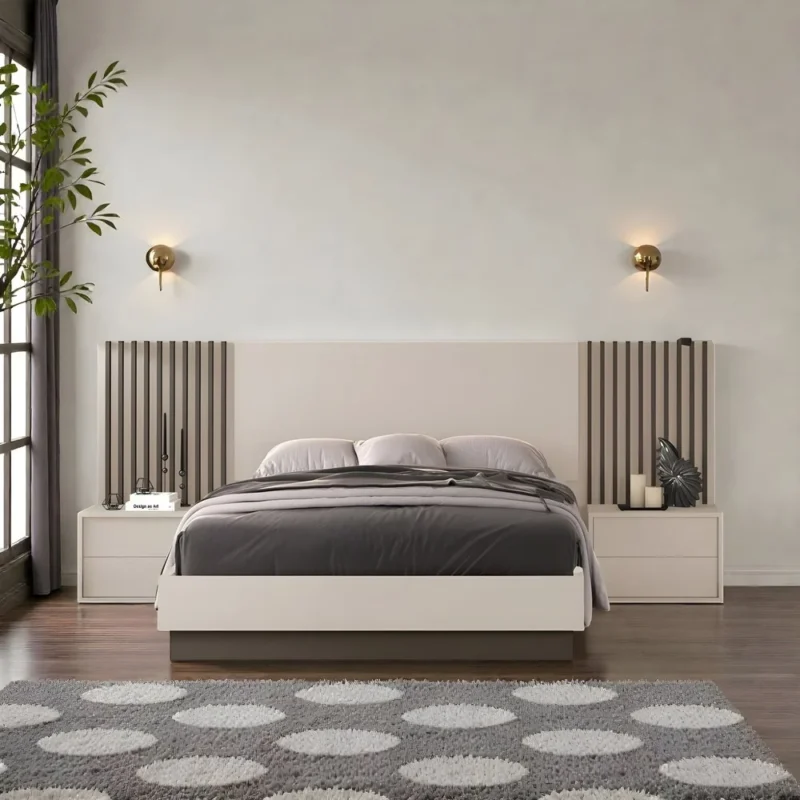
Step-by-Step Guide to Designing Around a Statement Piece
1. Let the Statement Piece Lead the Design
Start by identifying your focal point and build everything else around it.
Key Considerations
- What is the color palette of the piece?
- What style does it represent (modern, classic, minimalist)?
- What mood does it create?
Example
If your statement piece is a deep blue velvet sofa:
- Complement with neutral tones like beige or cream
- Add subtle metallic accents
- Avoid adding another bold-colored furniture item
2. Embrace Negative Space
Negative space (empty space) is crucial for preventing overcrowding.
Why It Matters
- Enhances visual clarity
- Allows the statement piece to “breathe”
- Improves room flow
How to Use It
- Avoid filling every corner
- Keep clear pathways for movement
- Limit decorative items around the focal piece
3. Stick to a Cohesive Color Palette
Too many colors can compete with your statement piece.
Recommended Color Strategy
| Element Type | Suggested Approach |
|---|---|
| Walls | Neutral or soft tones |
| Supporting décor | Muted or complementary shades |
| Statement piece | Bold or contrasting color |
| Accents | 1–2 highlight colors only |
Tip
Use the 60-30-10 rule:
- 60% dominant color (walls, large furniture)
- 30% secondary color
- 10% accent color
4. Choose Supporting Furniture Carefully
Supporting pieces should complement, not compete.
Do’s
- Opt for simple, clean-lined furniture
- Choose neutral tones or subtle textures
- Maintain proportional balance
Don’ts
- Avoid bulky or oversized items near the statement piece
- Don’t mix too many design styles
- Avoid duplicating bold features
6. Focus on Scale and Proportion
Balance is key when arranging furniture.
Scale Guide Table
| Room Size | Statement Piece Size | Supporting Furniture |
|---|---|---|
| Small Room | Medium | Minimal & compact |
| Medium Room | Large | Moderately sized |
| Large Room | Oversized | Layered but spaced |
Pro Tip
Ensure at least 18–24 inches of walking space between furniture items.
6. Limit Decorative Accessories
Accessories should enhance—not overwhelm.
Best Practices
- Use odd-number groupings (3 or 5 items)
- Keep surfaces (tables, shelves) uncluttered
- Choose decor that echoes the statement piece
Examples
- If your statement piece is wooden → add small wooden accents
- If metallic → use subtle metallic decor items
7. Use Lighting to Highlight the Statement Piece
Lighting can elevate your focal point dramatically.
Types of Lighting to Use
- Accent lighting: Spotlights or track lights
- Ambient lighting: Soft general lighting
- Decorative lighting: Stylish lamps
Placement Tips
- Position lighting to draw attention
- Avoid overly bright or harsh lighting
- Use warm tones for a cozy feel
8. Incorporate Texture Instead of More Items
Instead of adding more furniture, bring depth through textures.
Texture Ideas
- Rugs
- Cushions
- Curtains
- Throws
Texture Pairing Table
| Statement Material | |
|---|---|
| Leather | Soft fabrics, wool |
| Velvet | Glass, metal, silk |
| Wood | Linen, cotton, jute |
| Metal | Wood, soft textiles |
9. Maintain Functional Layout
A beautiful space must also be practical.
Checklist
- Can people move freely?
- Are seating areas comfortable?
- Is there enough storage?
Avoid placing furniture just for aesthetics—functionality comes first.
10. Edit and Refine Your Space
After arranging everything, step back and evaluate.
Ask Yourself
- Does the statement piece stand out clearly?
- Is the room easy to navigate?
- Are there unnecessary items?
Golden Rule
- “When in doubt, remove it.”

Room-Specific Design Tips
Living Room
- Use a bold sofa or coffee table as the focal point
- Keep TV units and shelves minimal
- Add one large rug instead of multiple small ones
Bedroom
- Let the bed be the statement piece
- Avoid too many bedside accessories
- Use soft lighting and neutral bedding
Dining Area
- Statement dining table or chandelier
- Keep chairs simple
- Avoid overcrowding with cabinets or decor
Common Mistakes to Avoid
❌ Adding multiple statement pieces
❌ Ignoring scale and proportion
❌ Over-decorating surfaces
❌ Using too many colors
❌ Blocking natural pathways
Minimalism vs. Overcrowding: A Quick Comparison
| Aspect | Minimalist Design | Overcrowded Design |
|---|---|---|
| Visual Appeal | Clean and elegant | Busy and chaotic |
| Functionality | High | Limited |
| Focus | Clear focal point | No clear focus |
| Comfort | Relaxing | Stressful |
Pro Tips from Coziness Home Furniture
- Invest in one high-quality statement piece instead of many average ones
- Use multi-functional furniture to save space
- Keep a balance between aesthetic and practicality
- Refresh the space occasionally by swapping small decor items
Final Thoughts
Designing around a statement piece is an art that blends boldness with restraint. The goal is not to fill every inch of space, but to create a harmonious environment where your focal piece can truly shine.
By focusing on balance, simplicity, and thoughtful placement, you can transform any room into a stylish and inviting space without the risk of overcrowding. Remember, the most impactful interiors are not the busiest—they are the most intentional.