
Creating a stylish living room doesn’t require a massive space, an unlimited budget, or a professional designer. Whether you’re working with a compact apartment or a spacious home, the key lies in smart planning, intentional furniture choices, and thoughtful styling. With the right approach, even the smallest room can feel open, elegant, and inviting.
This guide walks you through five easy yet impactful steps to design a living room that reflects your personality while maximizing comfort and functionality. From selecting the perfect furniture to adding finishing touches, you’ll learn how to elevate your space effortlessly.
A successful stylish living room design combines functionality, comfort, and visual balance without making the space feel overcrowded.
Why Living Room Design Matters
The living room is often the heart of a home. It’s where you relax, entertain guests, and spend quality time with family. A well-designed living room:
- Enhances comfort and usability
- Reflects your personal style
- Improves mood and productivity
- Maximizes available space efficiently
Regardless of your room size, good design is about balance—combining aesthetics with practicality.
Step 1: Define Your Style and Purpose
Before you start buying furniture or decorating, take a moment to define how you want your living room to look and function.
Ask Yourself:
- Will this space be used for entertaining guests or relaxing?
- Do you prefer modern, classic, or minimalist aesthetics?
- How many people will regularly use the room?
Popular Living Room Styles
| Style | Key Features | Best For |
|---|---|---|
| Modern | Clean lines, neutral colors, sleek furniture | Small & medium rooms |
| Contemporary | Trend-driven, bold accents, mixed materials | Flexible layouts |
| Classic | Elegant furniture, rich textures, symmetry | Larger spaces |
| Minimalist | Simple décor, clutter-free, functional design | Small spaces |
| Scandinavian | Light colors, natural wood, cozy textures | Compact & airy rooms |
Tips to Define Your Style:
- Create a mood board (Pinterest or screenshots)
- Stick to 2–3 main colors
- Choose a consistent theme
👉 Pro Tip: In smaller rooms, opt for lighter shades and minimalist designs to avoid a cluttered look.
Step 2: Choose the Right Furniture for Your Space
Furniture is the foundation of your living room. The key is to select pieces that fit your space—not overwhelm it.
Essential Living Room Furniture
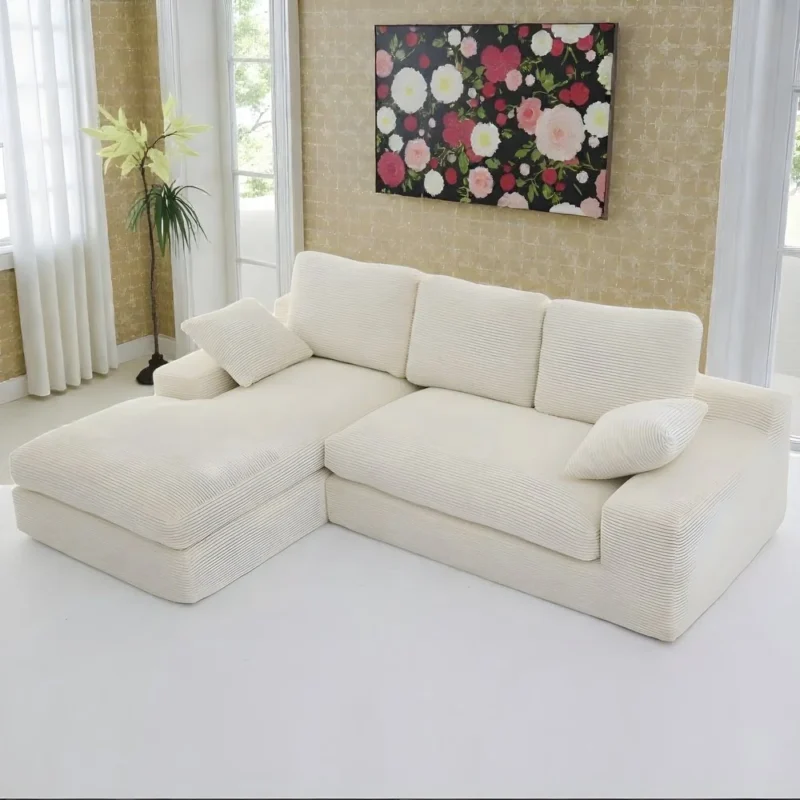
- Sofa or sectional
- Coffee table
- Accent chairs
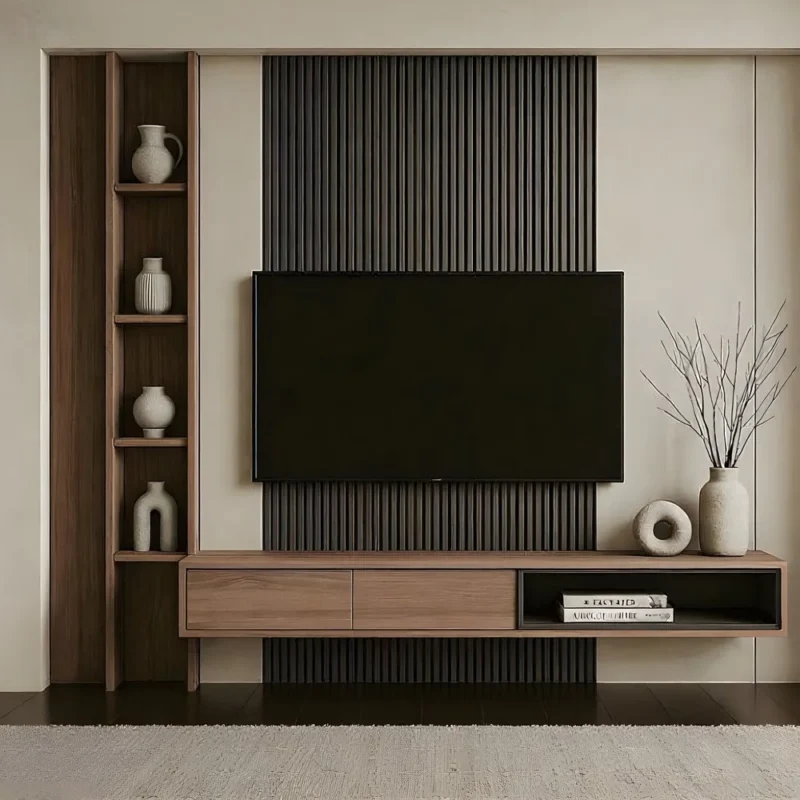
- TV unit or media console
- Storage units (optional)
Furniture Selection Based on Room Size
| Room Size | Recommended Furniture Choices |
|---|---|
| Small Room | Compact sofa, nesting tables, wall-mounted shelves |
| Medium Room | Standard sofa, armchairs, coffee table, TV console |
| Large Room | Sectional sofa, multiple seating, large tables, décor units |
Smart Furniture Tips
For Small Living Rooms:
- Choose multi-functional furniture (e.g., sofa beds)
- Use armless or slim-profile sofas
- Avoid bulky coffee tables—go for glass or nesting tables
For Larger Rooms:
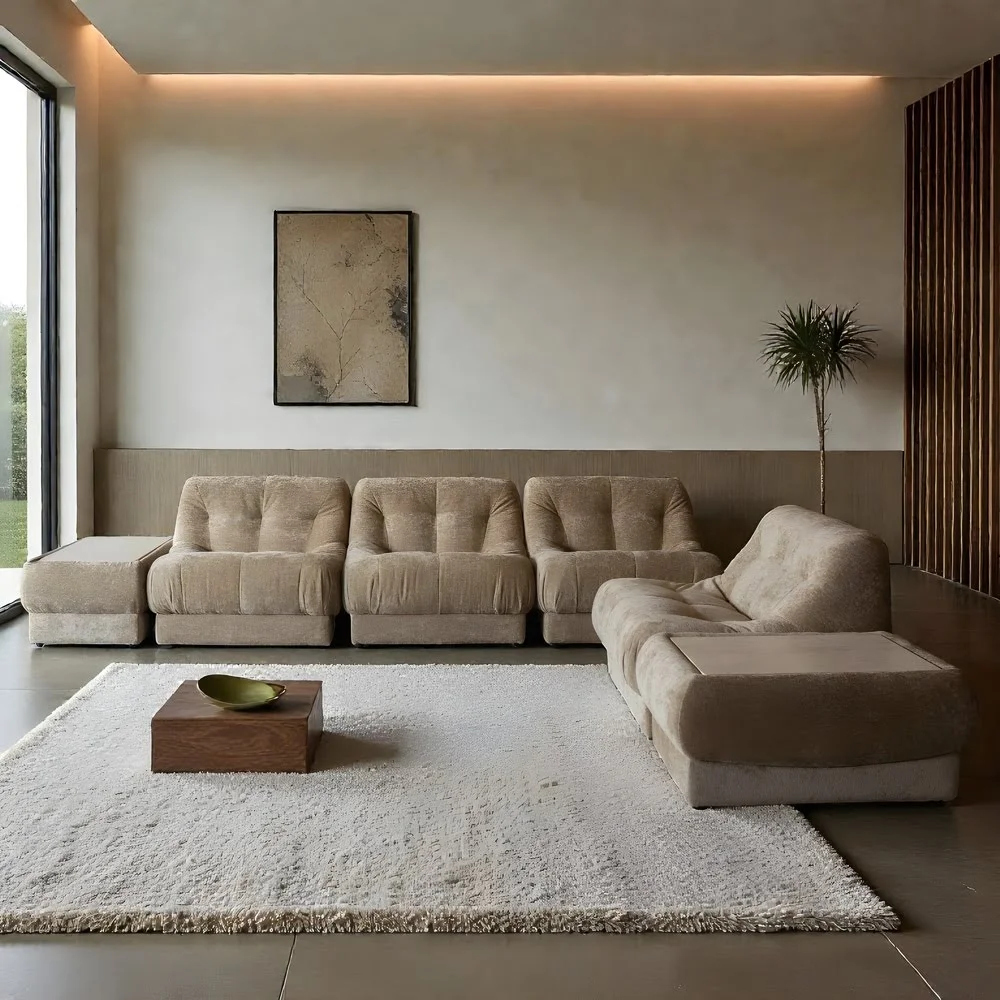
- Use sectional sofas to define space
- Add layers with ottomans and side tables
- Create zones (e.g., seating area + reading corner)
Material & Color Selection
- Light fabrics → Make rooms feel bigger
- Dark tones → Add depth and luxury
- Wood & metal → Bring warmth and contrast
👉 Coziness Tip: Soft upholstery and plush cushions enhance comfort while maintaining style.
Step 3: Optimize Layout and Space Planning
Even the best furniture can look awkward if the layout is poorly planned. Arranging your furniture correctly ensures smooth flow and functionality.
Basic Layout Principles
- Keep clear pathways (at least 2–3 feet wide)
- Avoid pushing all furniture against walls
- Center your layout around a focal point (TV, window, or coffee table)
Layout Ideas by Room Type
Small Room Layout:
- Use a wall-facing sofa
- Place a small coffee table in front
- Use vertical storage (shelves)
Medium Room Layout:
- Central sofa with chairs on sides
- Coffee table in the middle
- TV unit opposite seating
Large Room Layout:
- Divide into zones:
- Seating area
- Reading corner
- Entertainment zone
Space Optimization Tips
- Use mirrors to create the illusion of space
- Opt for wall-mounted lighting
- Keep furniture proportional to room size
👉 Avoid This Mistake: Overcrowding your living room with too many pieces can make it feel smaller than it actually is.
Step 4: Layer Lighting for Ambience
Lighting plays a crucial role in setting the mood of your living room. A well-lit room feels warm, inviting, and visually appealing.
Types of Lighting to Include
| Lighting Type | Purpose | Examples |
|---|---|---|
| Ambient | General illumination | Ceiling lights, chandeliers |
| Task | Focused lighting for activities | Reading lamps |
| Accent | Highlights décor or features | LED strips, spotlights |
Lighting Tips by Room Size
Small Rooms:
- Use wall sconces instead of floor lamps
- Install LED strip lights to save space
Large Rooms:
- Use chandeliers or pendant lights
- Add multiple light sources for layering
Warm vs Cool Lighting
- Warm light → Cozy, relaxing atmosphere
- Cool light → Bright, modern feel
👉 Best Practice: Combine both to create a balanced ambiance.
Step 5: Add Personality with Décor and Accessories
Once your furniture and layout are set, it’s time to bring your living room to life with décor.
Essential Décor Elements
- Rugs
- Curtains
- Cushions & throws
- Wall art
- Plants
- Decorative objects
Styling Tips
Rugs:
- Choose a size that fits under furniture
- Use light-colored rugs for small rooms
Curtains:
- Hang curtains higher to create an illusion of height
- Use sheer fabrics for natural light
Cushions:
- Mix textures and patterns
- Stick to your color theme
Décor Ideas Based on Style
| Style | Décor Suggestions |
|---|---|
| Modern | Abstract art, metallic accents |
| Minimalist | Simple frames, neutral tones |
| Classic | Elegant curtains, ornate décor |
| Scandinavian | Plants, wooden elements, cozy textiles |
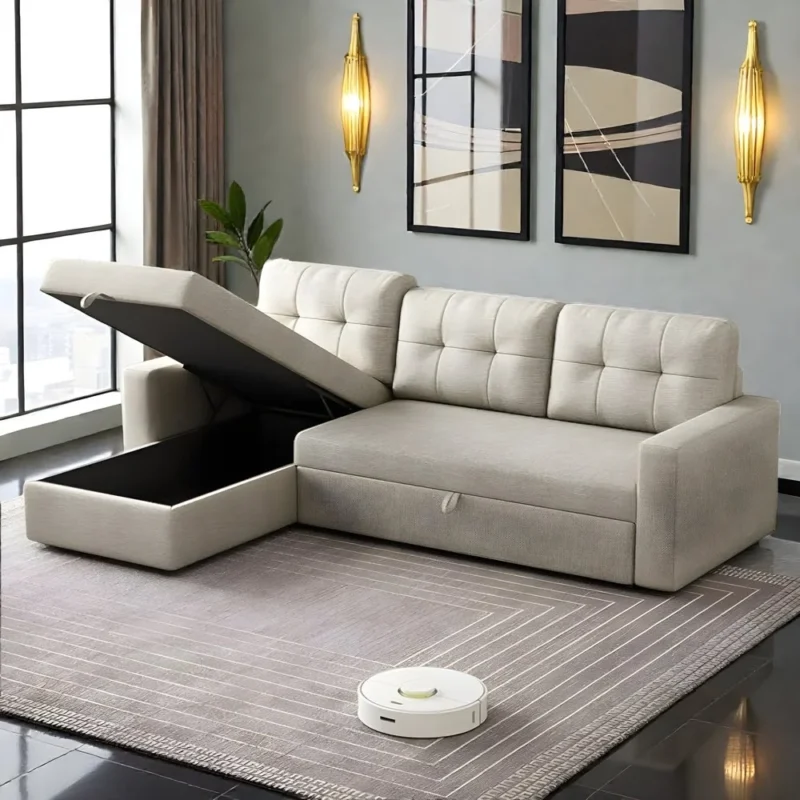
Add Greenery
Plants instantly enhance any living room by adding freshness and vibrancy.
- Small rooms → Use hanging plants
- Large rooms → Add floor plants
Personal Touches
- Family photos
- Travel souvenirs
- Books and collectibles
👉 These elements make your space unique and meaningful.
Bonus: Common Mistakes to Avoid
Even with the best intentions, certain design mistakes can ruin your living room’s look.
Avoid These Pitfalls:
- Overcrowding furniture
- Ignoring scale and proportion
- Using too many colors
- Poor lighting placement
- Skipping storage solutions
Quick Checklist for a Stylish Living Room
✔ Define your style
✔ Choose the right furniture
✔ Plan an efficient layout
✔ Layer lighting properly
✔ Add décor thoughtfully
Budget-Friendly Styling Tips
You don’t need to spend a fortune to create a beautiful living room.
Save Money By:
- Repurposing existing furniture
- Using DIY décor
- Shopping during sales
- Investing in key pieces (sofa, rug)
Final Thoughts
With the right planning, stylish living room design can make even a compact space feel comfortable, organized, and inviting.
Transforming your living room into a stylish and comfortable space doesn’t always require a large budget or a huge room. Stylish living room design is about using the right furniture, layout, colors, and décor to make the most of the space you have.
Focus on balance, simplicity, and comfort. Choose furniture that fits your lifestyle, arrange it thoughtfully, and enhance the space with lighting and décor. With a little creativity and planning, you can transform any living room into a cozy and elegant haven.