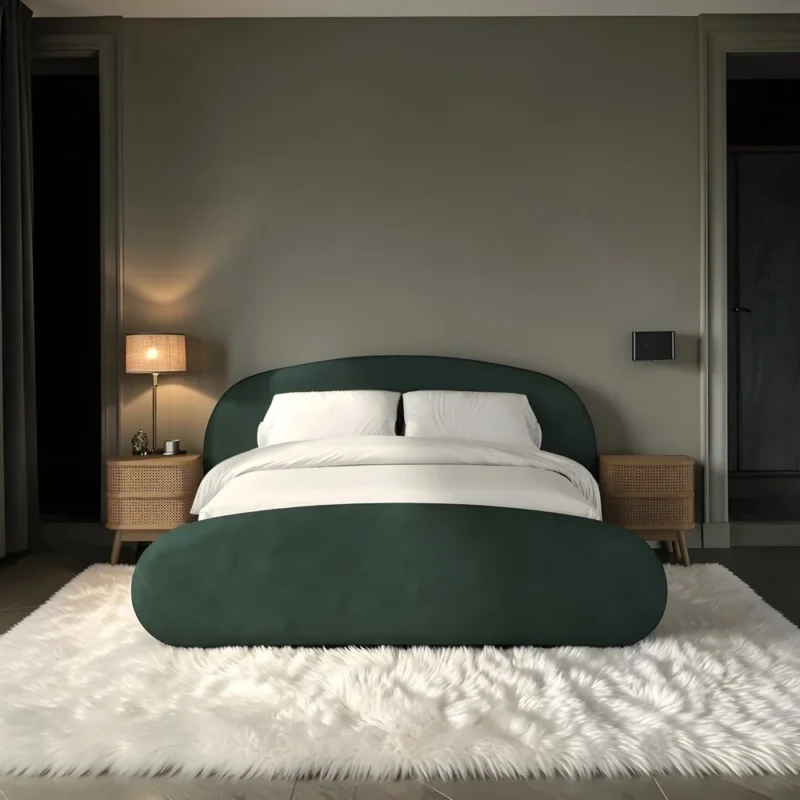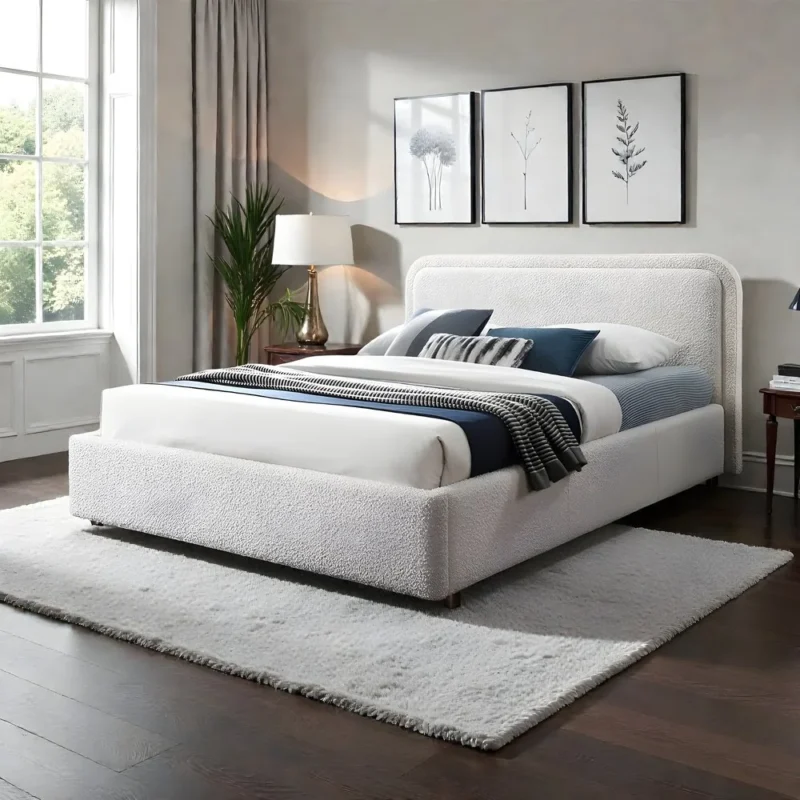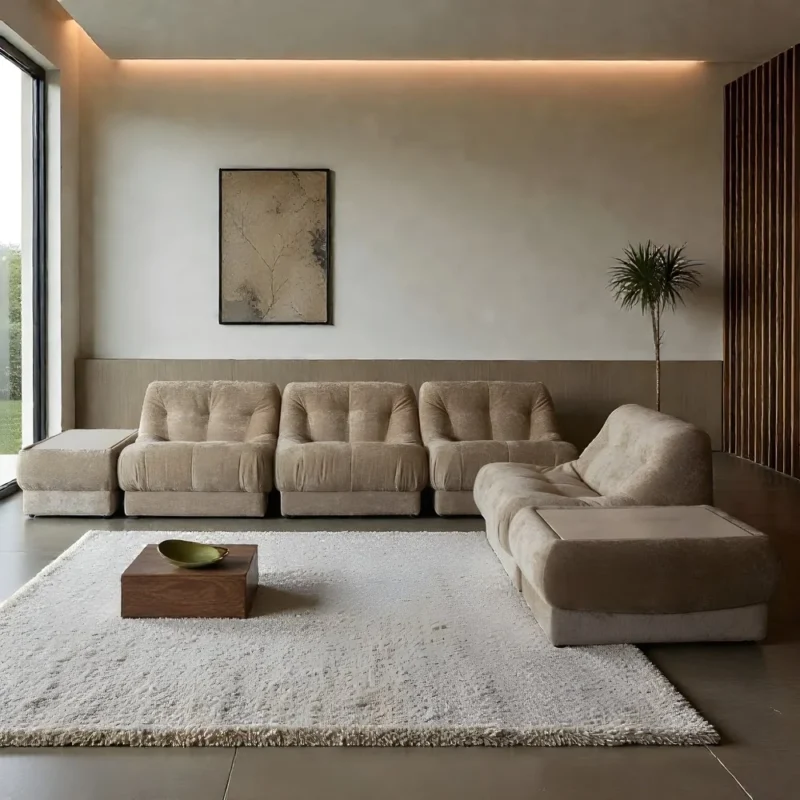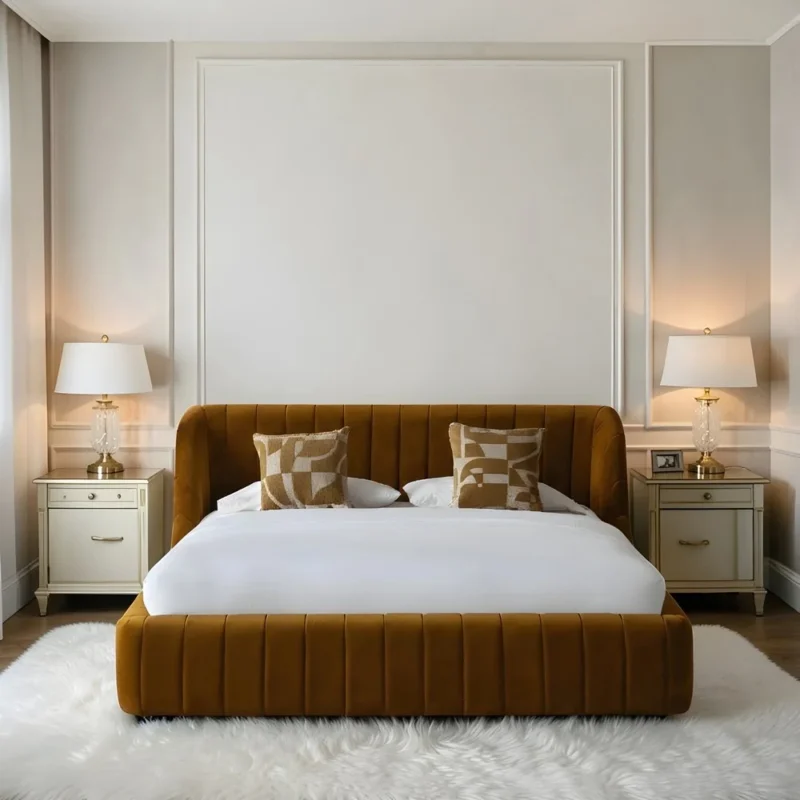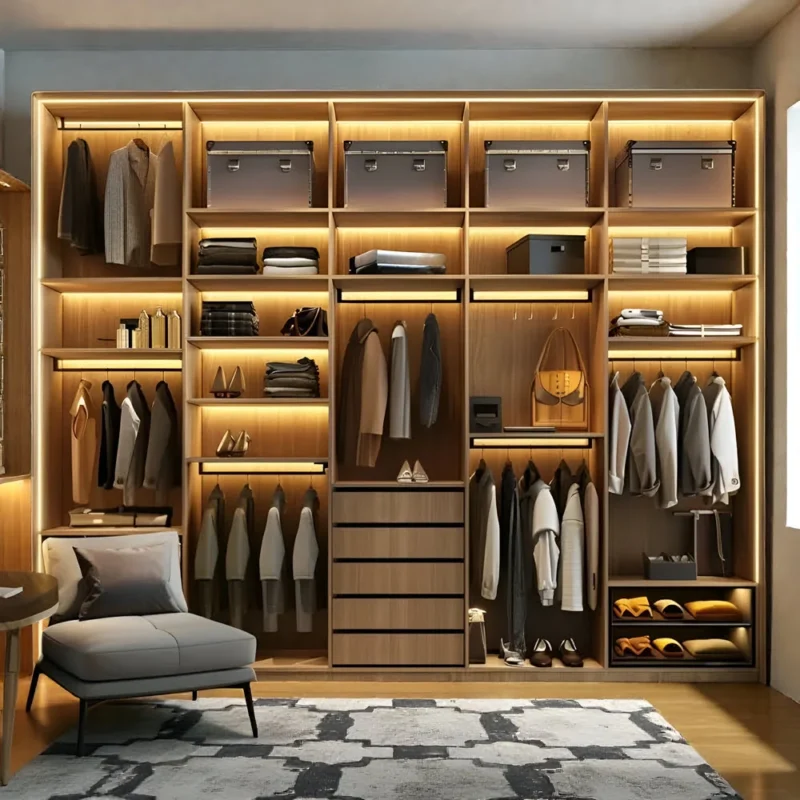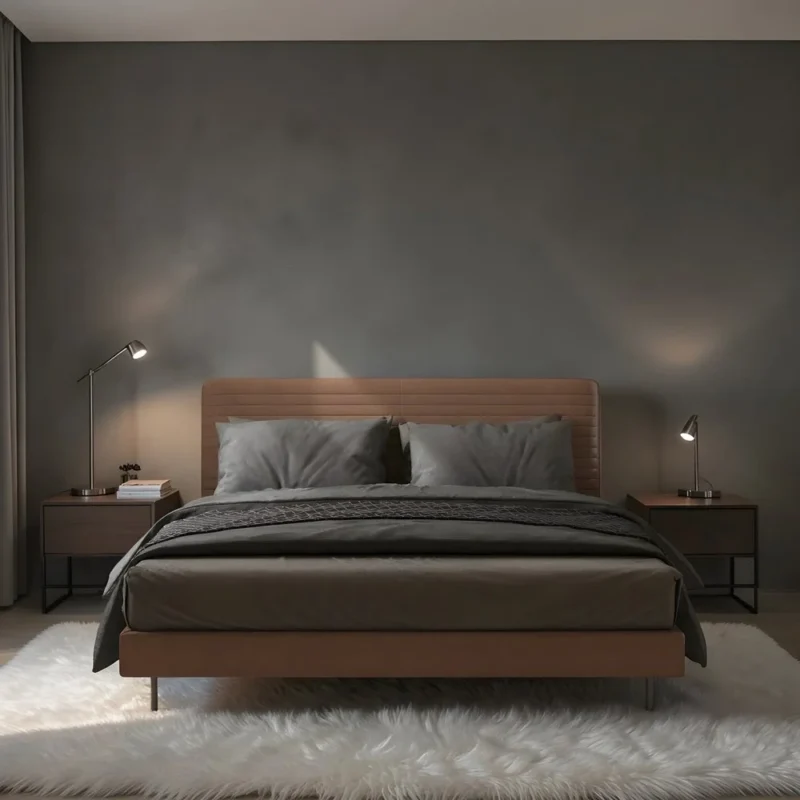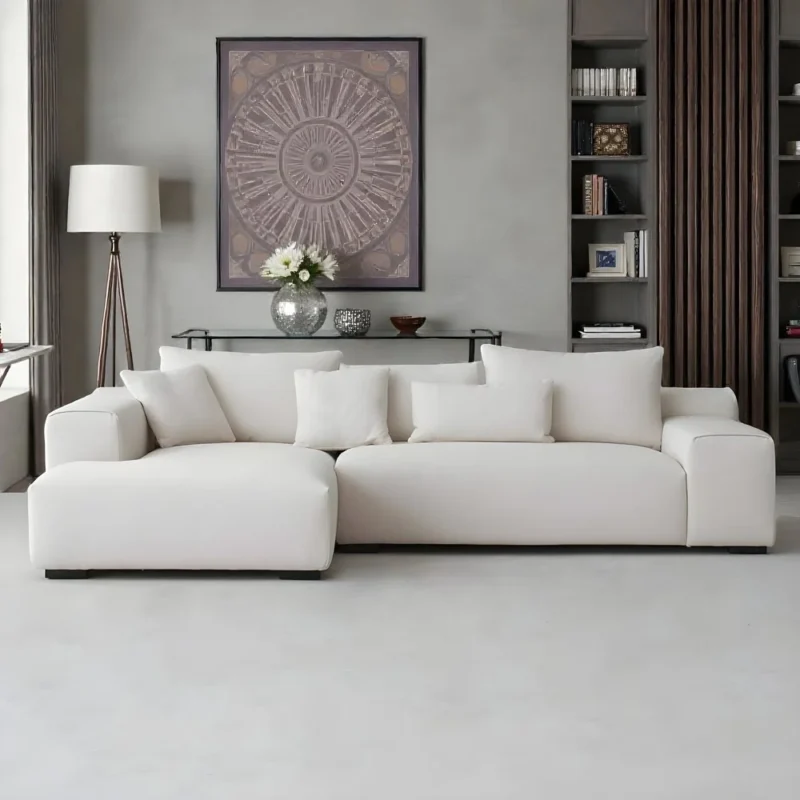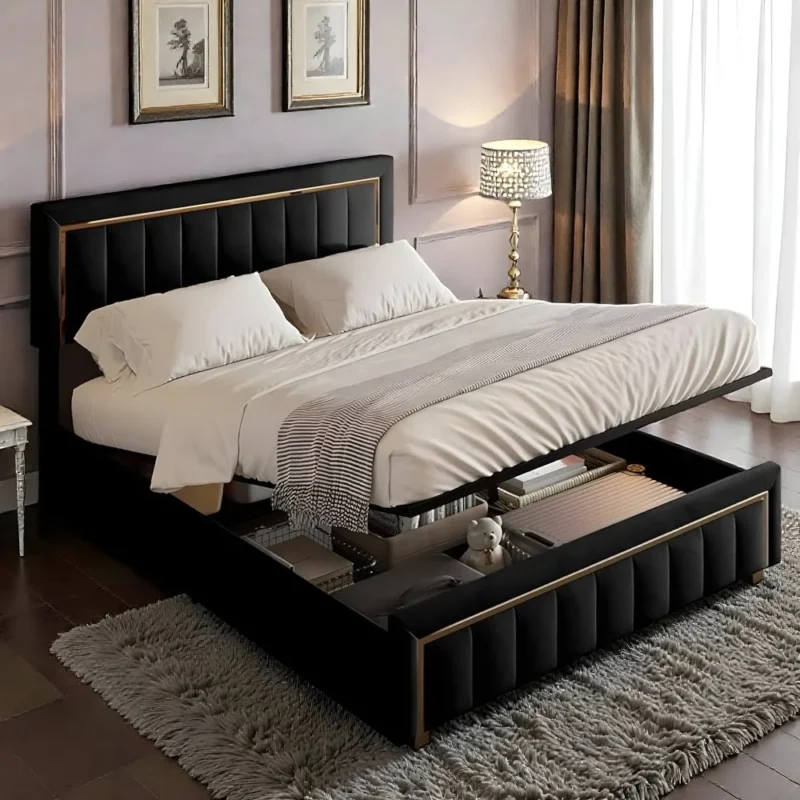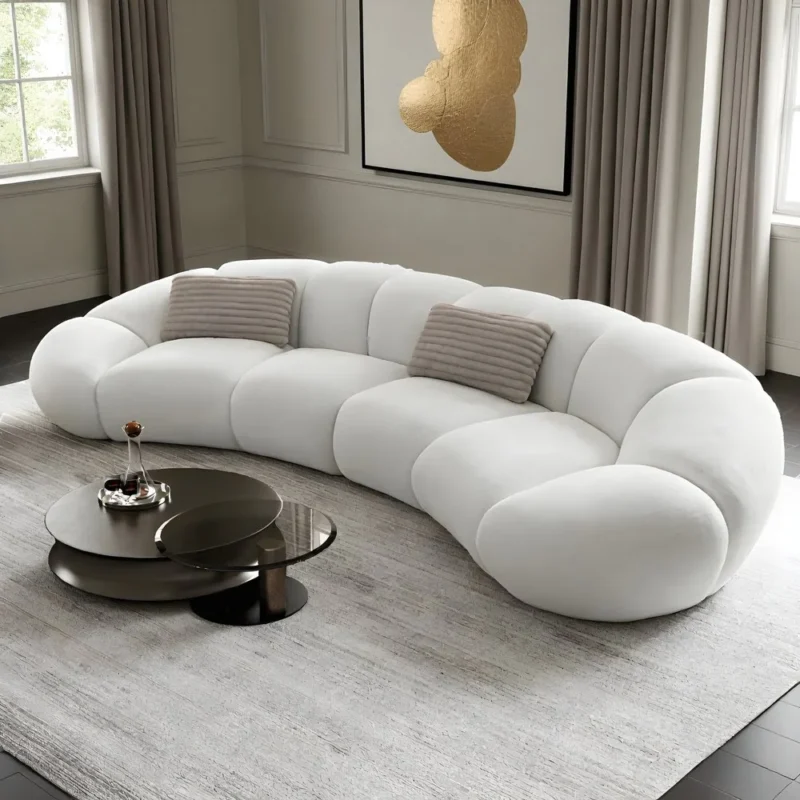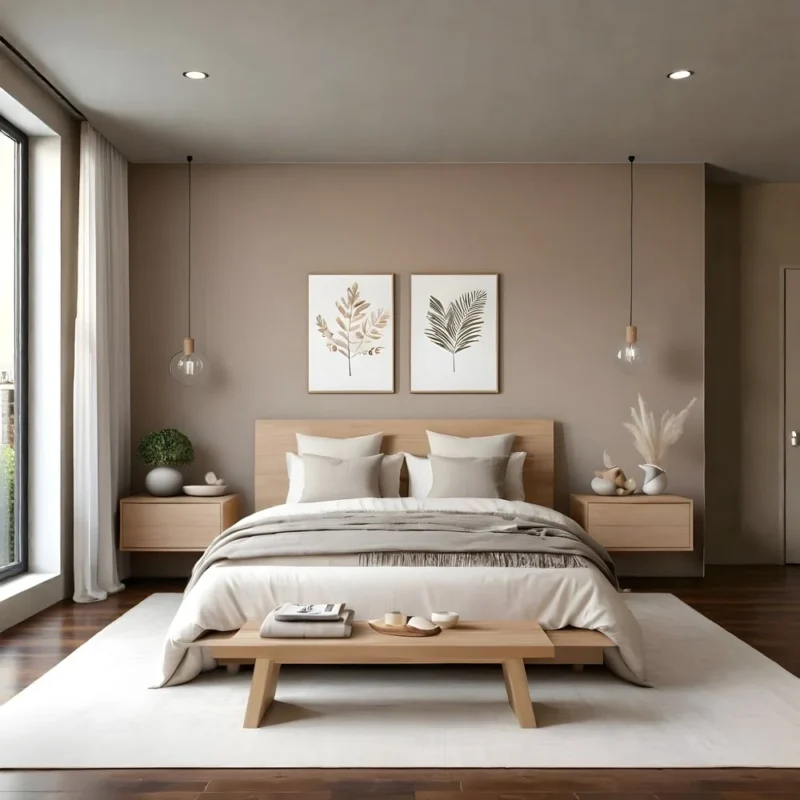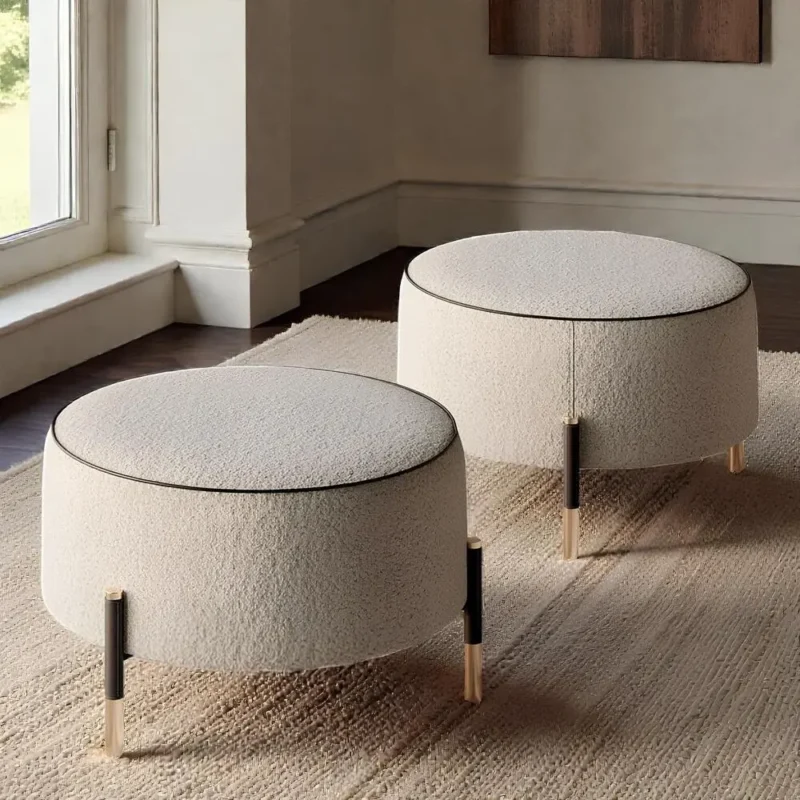

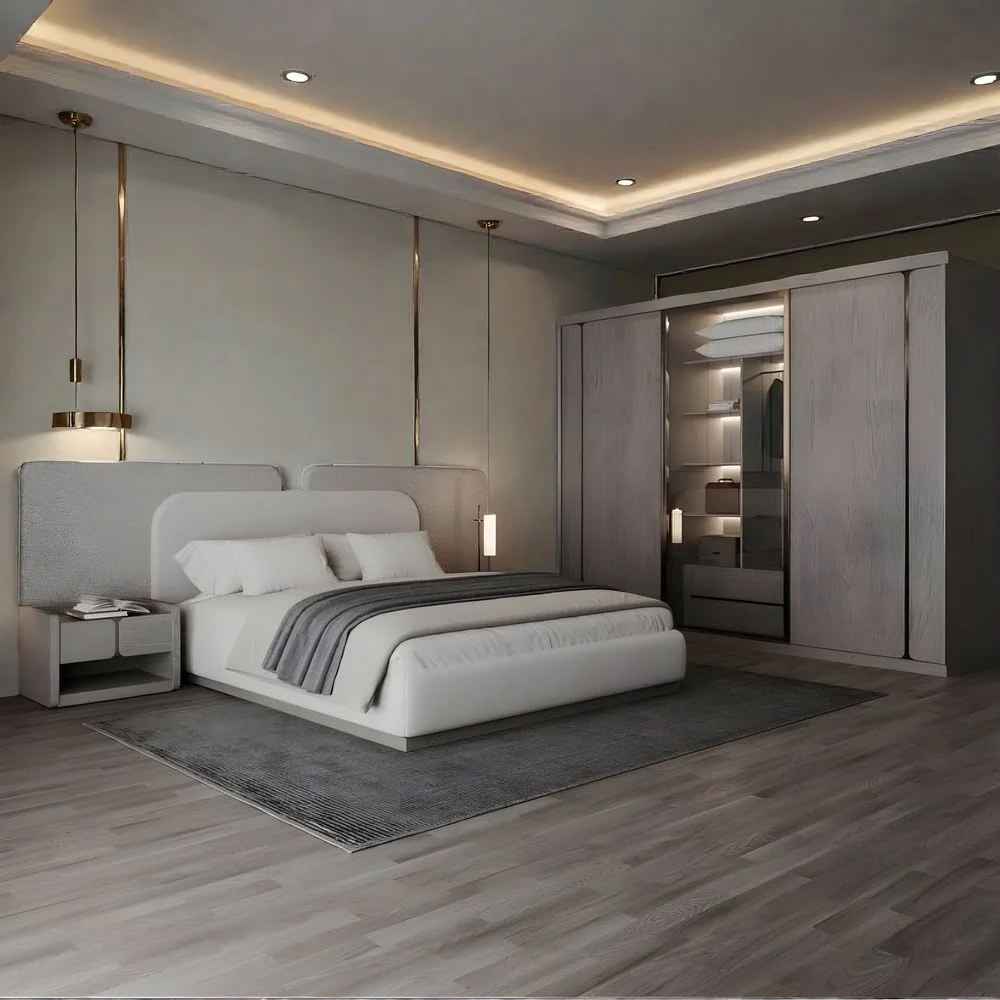
Creating a comfortable and visually appealing home begins with selecting the right furniture. Furniture is not just about filling space—it defines your lifestyle, enhances functionality, and reflects your personality. Whether you are furnishing a new home or upgrading your existing space, making thoughtful choices ensures long-term satisfaction and comfort.
In this detailed guide, we will explore seven key factors to consider when choosing furniture for your home, helping you strike the perfect balance between style, practicality, and affordability.
1. Understand Your Space and Layout
Before purchasing any furniture, it is essential to evaluate your available space carefully. Many people make the mistake of buying furniture that either overwhelms a room or looks too small and disconnected.
Key Considerations
- Measure your room dimensions (length, width, and height)
- Identify focal points (TV unit, windows, fireplace)
- Maintain walking space and flow
- Consider doorways and entry paths for moving furniture
Tips for Space Planning
- Use floor plans or digital layout tools
- Avoid overcrowding the room
- Choose multi-functional furniture for smaller spaces
Example Layout Table
| Room Size | Recommended Furniture Type | Layout Tip |
|---|---|---|
| Small (Studio) | Sofa bed, folding tables | Use wall-mounted storage |
| Medium | Sectional sofa, coffee table | Keep center space open |
| Large | Full sofa set, dining table | Divide into zones (living/dining) |
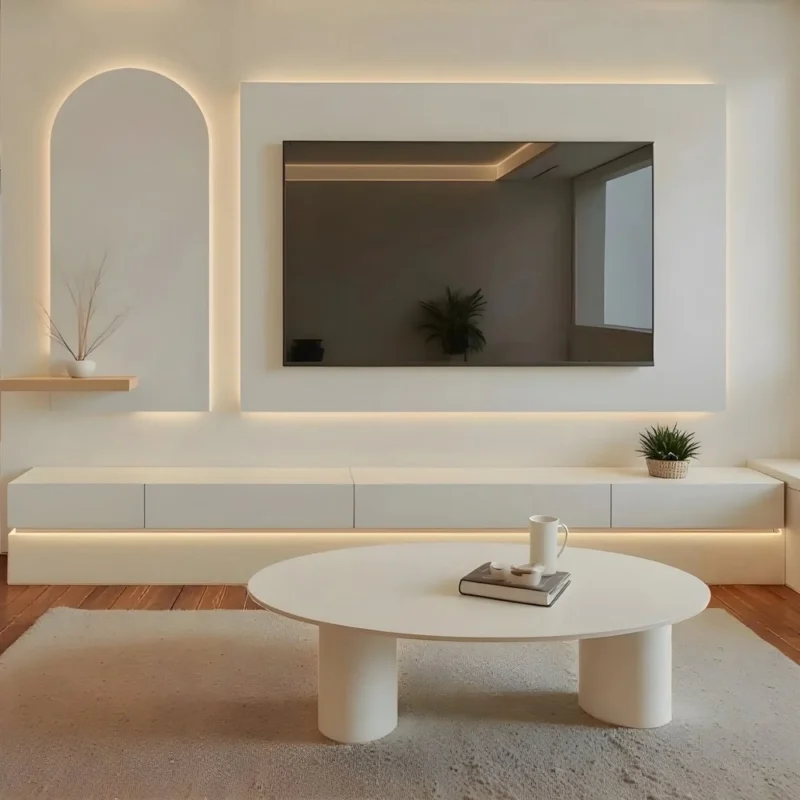
2. Define Your Style and Theme
Your furniture should reflect a cohesive theme that aligns with your taste and the overall aesthetic of your home. Mixing too many styles can create visual clutter.
Popular Interior Styles
- Modern: Clean lines, neutral colors, minimal décor
- Classic: Rich wood, elegant designs, timeless appeal
- Contemporary: Trend-driven, sleek finishes
- Bohemian: Colorful, artistic, relaxed vibe
- Industrial: Raw materials like metal and wood
How to Choose Your Style
- Look at inspiration (Pinterest, magazines)
- Consider existing décor elements
- Stick to a consistent color palette
Style Comparison Table
| Style | Materials | Colors | Best For |
|---|---|---|---|
| Modern | Glass, metal | Neutral | Apartments, offices |
| Classic | Solid wood | Warm tones | Villas, large homes |
| Industrial | Metal, raw wood | Dark shades | Loft-style spaces |
3. Prioritize Comfort and Functionality
Furniture should not only look good but also serve its purpose efficiently. Comfort is especially important for frequently used items like sofas, beds, and chairs.
Important Comfort Factors
- Cushion quality and support
- Seat depth and height
- Backrest design
- Ergonomics
Functional Considerations
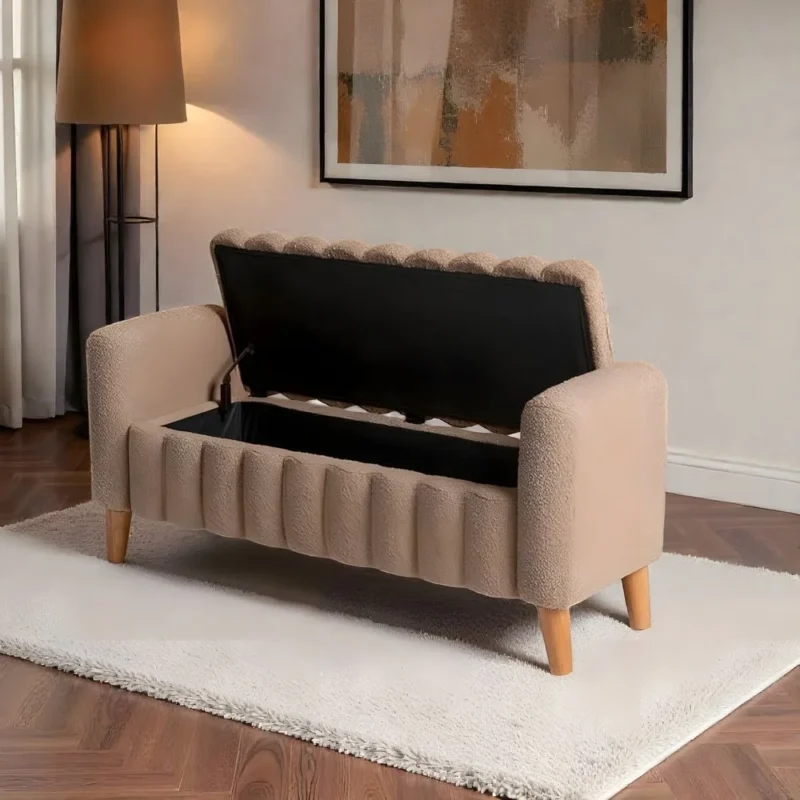
- Storage options (beds with drawers, storage ottomans)
- Expandable dining tables
- Modular furniture
Checklist Before Buying
- Sit or test the furniture if possible
- Check material durability
- Ensure ease of maintenance
4. Choose the Right Materials
The material of your furniture determines its durability, maintenance, and overall appearance.
Common Furniture Materials
- Wood: Durable and timeless
- Metal: Strong and modern
- Glass: Elegant but fragile
- Fabric: Comfortable but requires maintenance
- Leather: Luxurious and easy to clean
Material Comparison Table
| Material | Durability | Maintenance | Best Use |
|---|---|---|---|
| Wood | High | Medium | Living, bedroom |
| Metal | High | Low | Industrial designs |
| Glass | Medium | High | Tables, décor |
| Fabric | Medium | Medium | Sofas, chairs |
| Leather | High | Low | Premium sofas |
Tips
- Choose moisture-resistant materials in humid climates
- Opt for stain-resistant fabrics if you have kids or pets
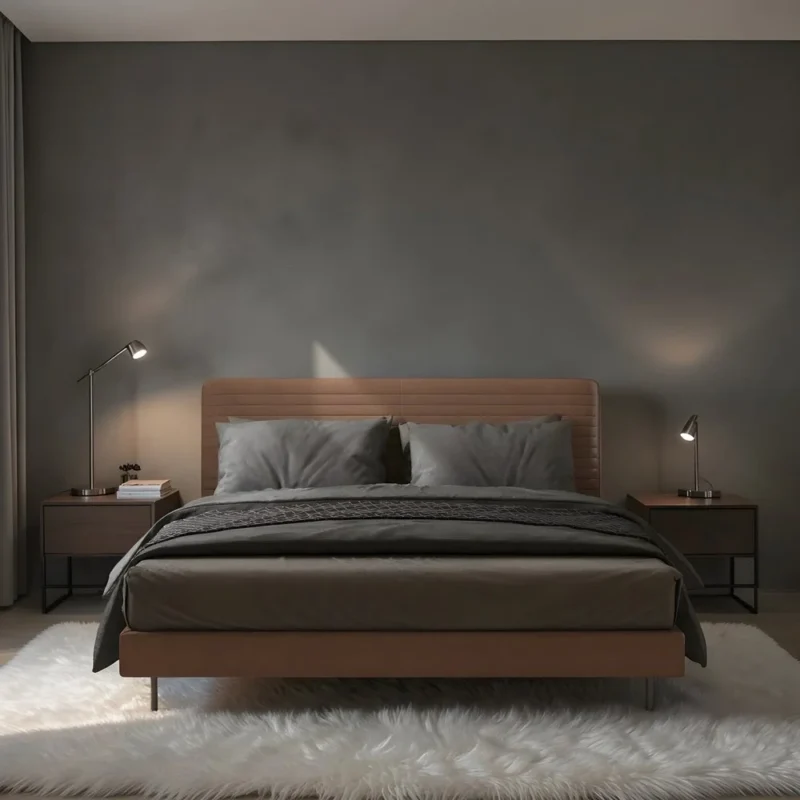
5. Set a Budget and Plan Smartly
Furniture shopping can quickly become expensive if not planned properly. Setting a realistic budget helps you prioritize essential items and avoid overspending.
Budget Planning Tips
- Allocate more budget to high-use items (sofa, bed)
- Save on decorative pieces
- Look for seasonal discounts and deals
Budget Distribution Example
| Furniture Item | Budget Priority | Suggested Spending |
|---|---|---|
| Sofa | High | 25–30% |
| Bed | High | 20–25% |
| Dining Table | Medium | 15–20% |
| Accessories | Low | 5–10% |
Smart Buying Strategies
- Invest in quality over quantity
- Consider long-term value
- Avoid impulse purchases
6. Consider Durability and Maintenance
Furniture is a long-term investment, so durability should be a top priority. Choosing low-maintenance options can save time and effort in the long run.
Durability Factors
- Frame construction
- Joinery quality
- Fabric strength
Maintenance Tips
- Choose washable covers
- Use protective coatings
- Clean regularly to maintain appearance
Low vs High Maintenance Furniture
| Type | Maintenance Level | Example |
|---|---|---|
| Low Maintenance | Easy | Leather sofa |
| Medium | Moderate | Fabric sofa |
| High Maintenance | Frequent care | Glass furniture |
7. Think About Lifestyle and Future Needs
Your furniture should adapt to your lifestyle and future requirements. For example, a growing family or changing work habits may influence your furniture needs.
Lifestyle Considerations
- Do you host guests frequently?
- Do you work from home?
- Do you have children or pets?
Future-Proofing Tips
- Choose modular furniture
- Invest in timeless designs
- Avoid overly trendy pieces
Examples
- Families: Durable, stain-resistant furniture
- Professionals: Ergonomic office chairs
- Minimalists: Multi-functional pieces
Bonus Tips for Choosing the Perfect Furniture
Lighting Matters
- Match furniture color with lighting conditions
- Dark furniture suits bright rooms and vice versa
Color Coordination
- Use neutral tones for large furniture
- Add color through cushions and accessories
Proportion and Scale
- Ensure furniture size matches room size
- Avoid oversized or undersized items
Conclusion
Choosing the right furniture for your home is a blend of art and practicality. By considering space, style, comfort, material, budget, durability, and lifestyle, you can create a home that is both functional and visually appealing.
Investing time in planning and making informed decisions will not only enhance your living experience but also ensure that your furniture remains a valuable part of your home for years to come. Whether you prefer classic elegance or modern simplicity, the right furniture choices can transform your house into a cozy and stylish sanctuary.