
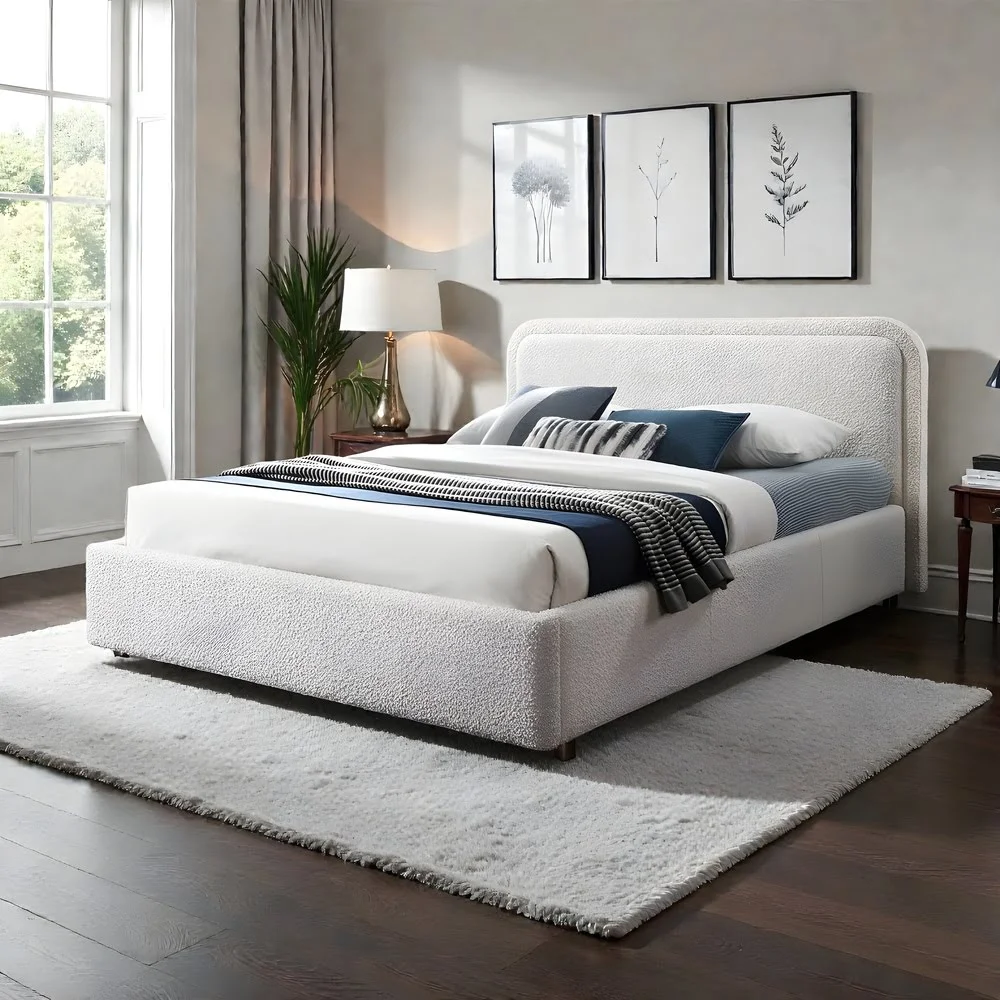
Your home is more than just a place to live—it’s an emotional environment that silently shapes how you feel, think, and behave every single day. From the colors on your walls to the style and placement of your furniture, every design decision plays a role in influencing your mood, productivity, and overall well-being.
Furniture and color psychology are deeply interconnected. While colors stimulate emotional responses, furniture design determines how you interact with your space. Together, they create an atmosphere that can either energize, calm, or even stress you.
In this blog, we’ll explore 10 powerful ways your home is affecting your emotions—and how you can use furniture and color psychology to create a more balanced, cozy, and uplifting environment.
1. The Emotional Power of Color Choices
Color is one of the most influential elements in interior design. Different shades trigger different emotional and psychological responses.
How colors affect mood:
- Blue: Promotes calmness, relaxation, and focus
- Red: Increases energy, passion, and intensity
- Yellow: Evokes happiness and optimism
- Green: Brings balance, harmony, and a connection to nature
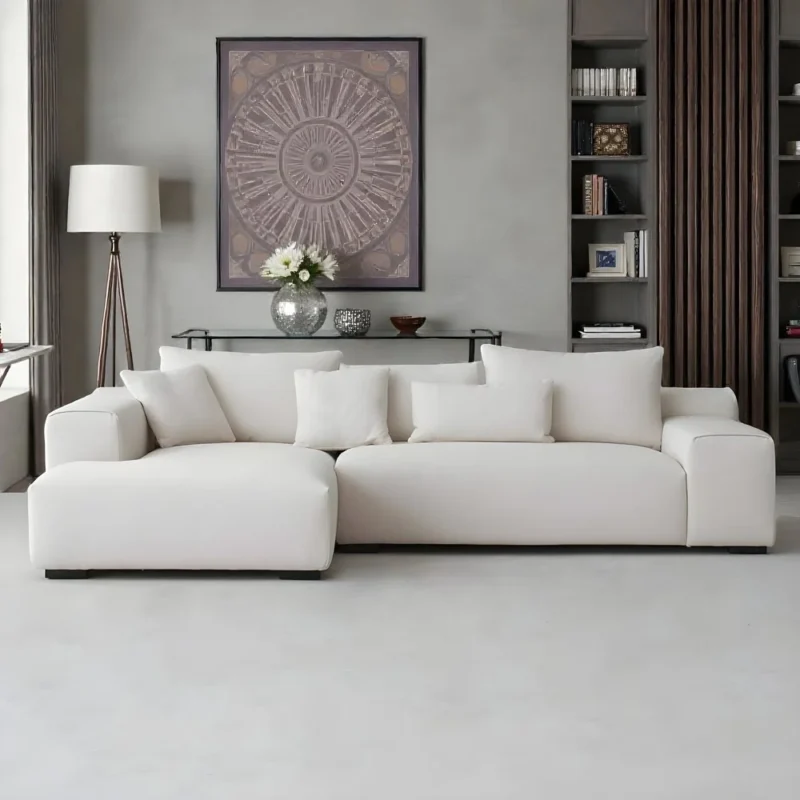
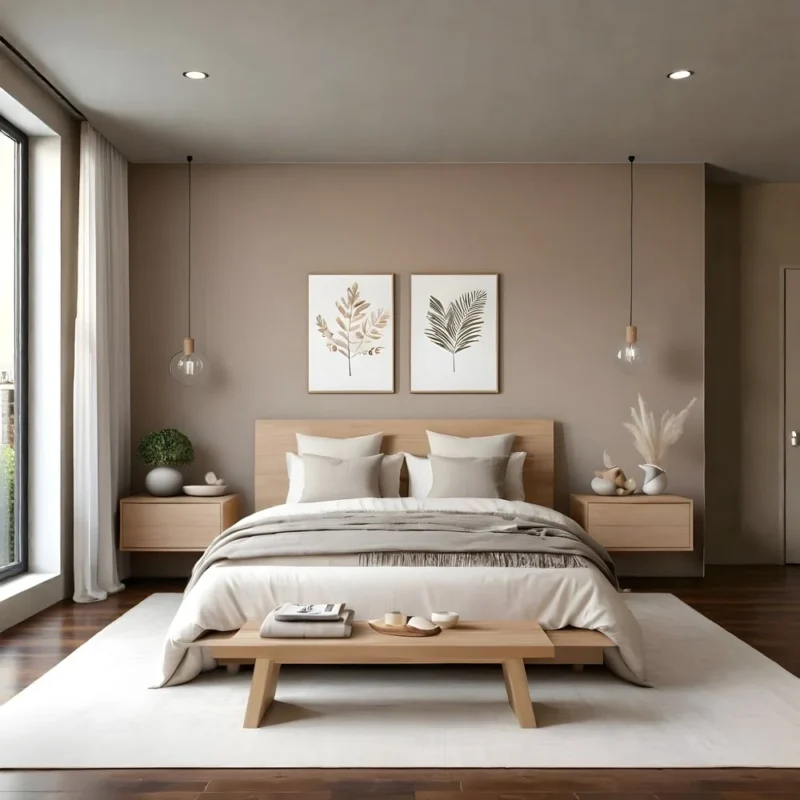
- Neutral tones (beige, white, gray): Create a sense of simplicity and calm
Best uses in your home:
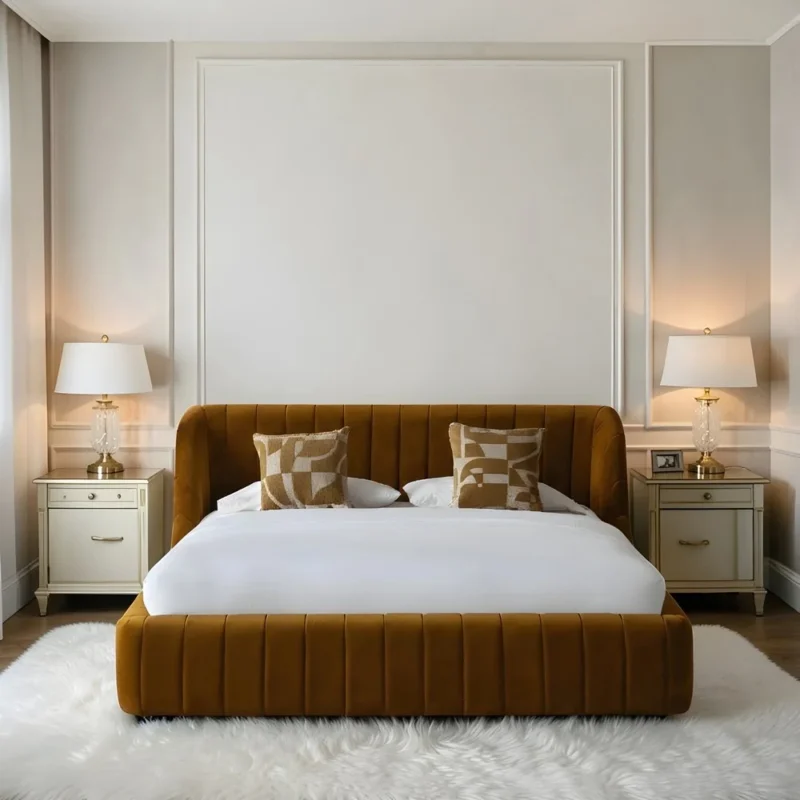
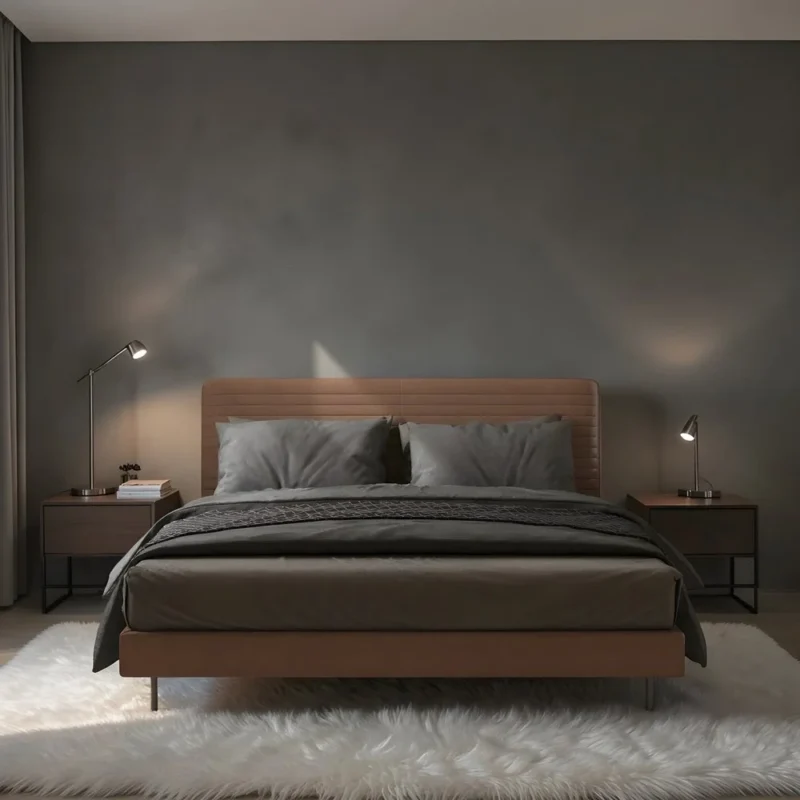
- Bedrooms: Soft blues and greens for relaxation
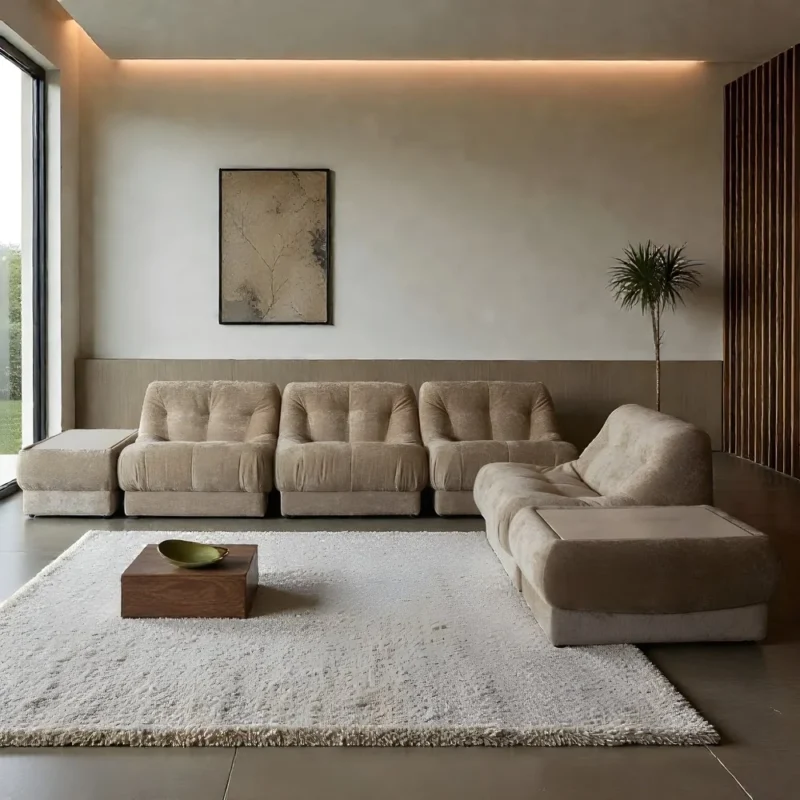
- Living rooms: Warm neutrals for comfort and social interaction
- Workspaces: Light yellow or muted green for creativity
2. Furniture Layout and Emotional Flow
The way furniture is arranged affects how energy flows through a room and how comfortable people feel within it.
Key layout principles:
- Avoid blocking pathways—this can create subconscious stress
- Arrange seating to encourage conversation
- Maintain visual balance to prevent a chaotic feeling
Emotional impact:
- Open layouts create freedom and relaxation
- Cluttered arrangements cause anxiety and overwhelm
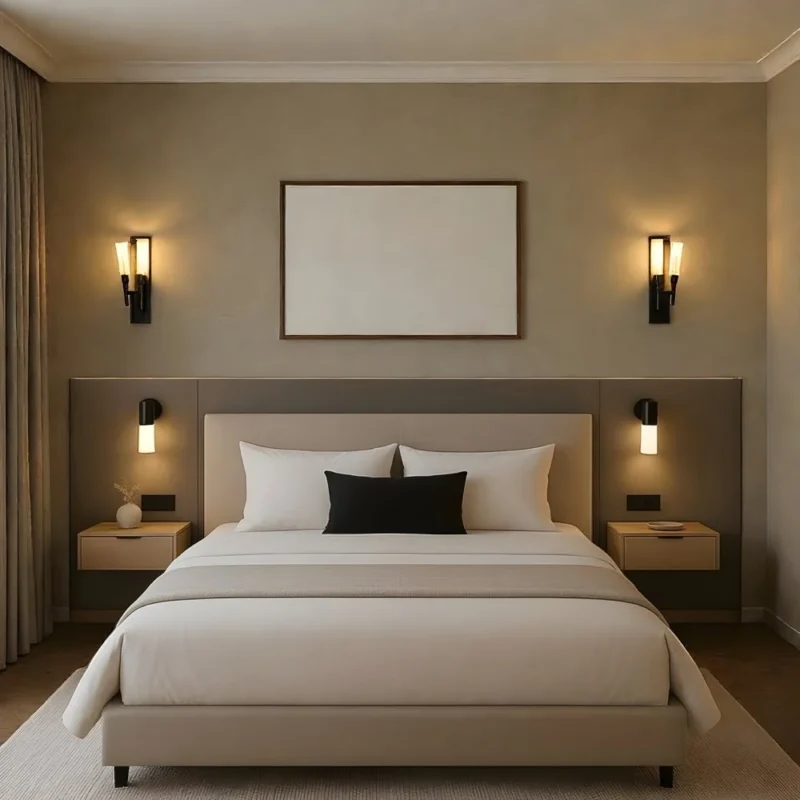
3. The Comfort Factor: Soft vs. Hard Furniture
Comfortable furniture has a direct psychological effect on your emotional well-being.
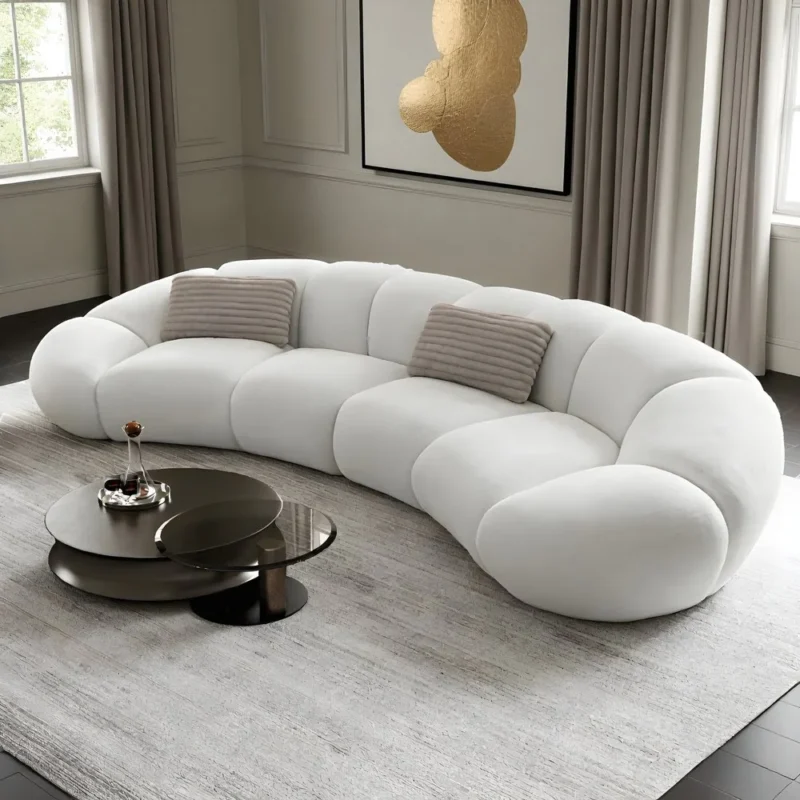
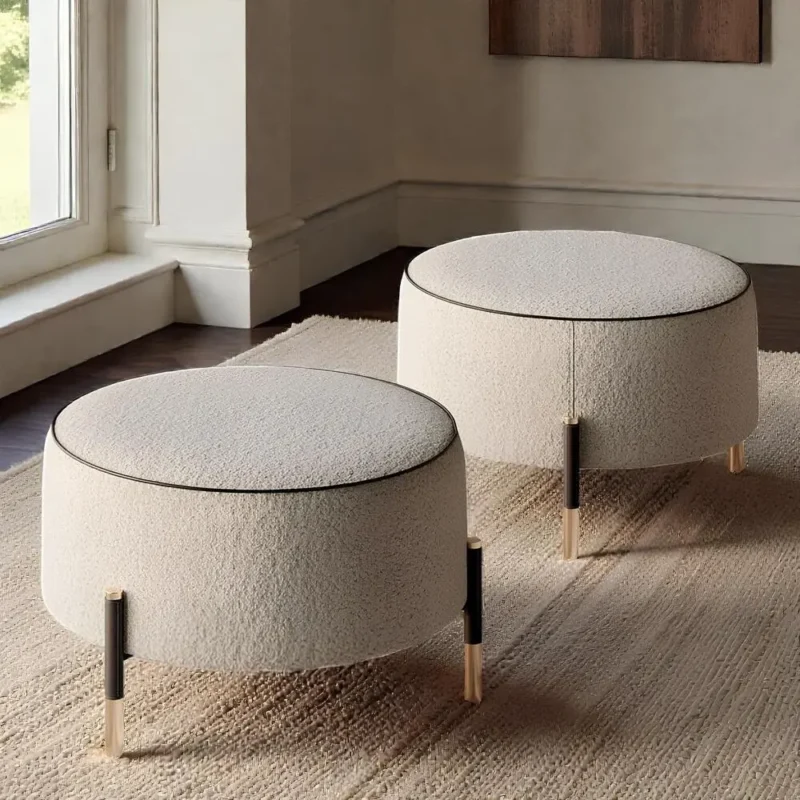
Soft furniture (sofas, cushions, rugs):
- Promotes relaxation and coziness
- Reduces stress levels
Hard furniture (metal chairs, glass tables):
- Feels modern but can create emotional distance if overused
Balance tip:
Combine soft textures with structured pieces for both comfort and style.
4. The Role of Lighting and Color Reflection
Lighting changes how colors appear and how your brain perceives space.
Types of lighting and effects:
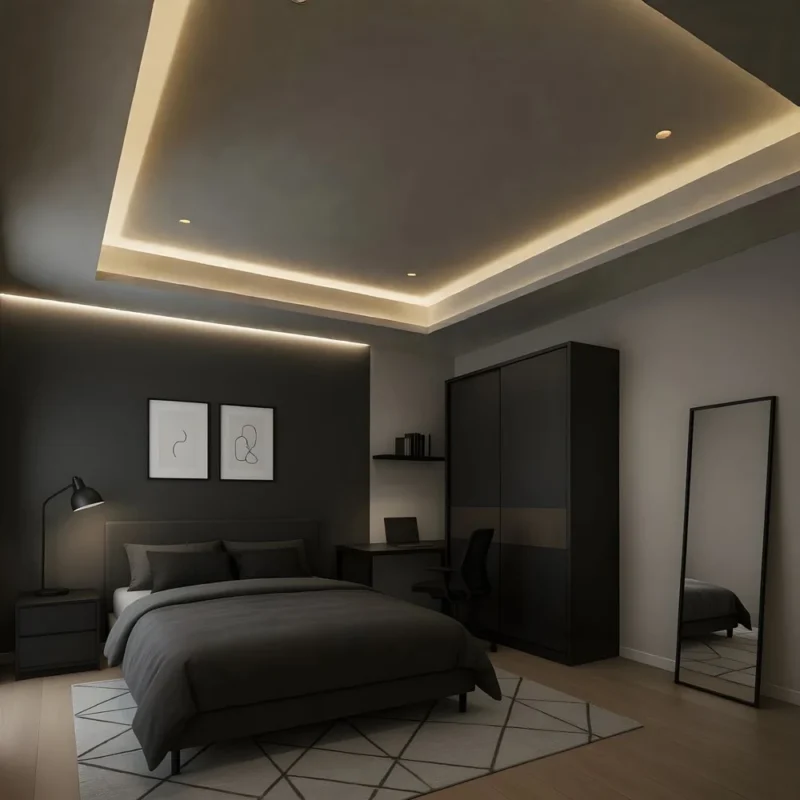
- Warm lighting: Creates a cozy, intimate atmosphere
- Cool lighting: Enhances focus and alertness
Emotional influence:
- Poor lighting can cause fatigue and low mood
- Proper lighting enhances positive emotional responses
5. Color Temperature and Room Function
Each room should have a color temperature that matches its purpose.
| Room Type | Ideal Color Temperature | Emotional Outcome |
|---|---|---|
| Bedroom | Cool & soft tones | Relaxation |
| Living Room | Warm neutrals | Comfort & bonding |
| Office | Cool neutrals | Focus & clarity |
| Dining Area | Warm tones | Appetite & social interaction |
6. Minimalism vs. Clutter: Mental Impact
Your brain reacts strongly to visual clutter.
Effects of clutter:
- Increases stress and anxiety
- Reduces focus and productivity
- Benefits of minimal furniture:
- Promotes calmness and clarity
- Makes spaces feel larger and more breathable
Practical tips:
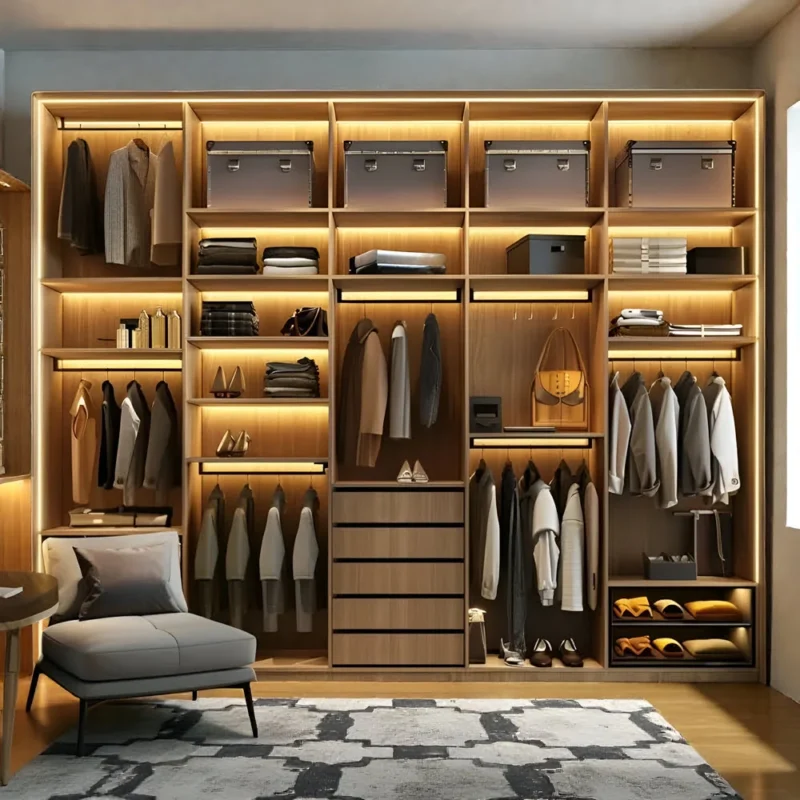
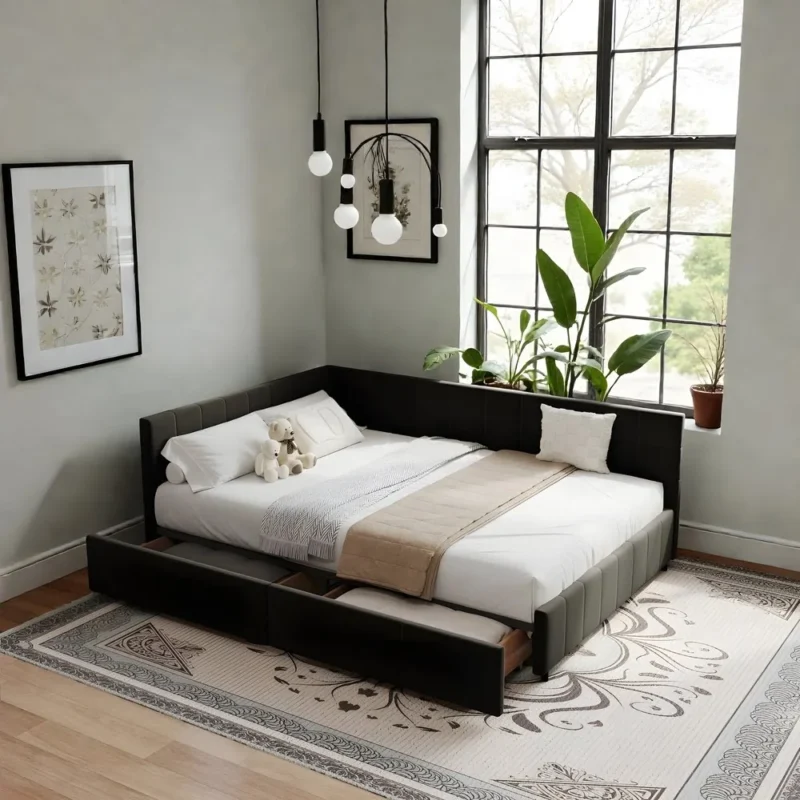
- Use multifunctional furniture
- Keep only essential decor items
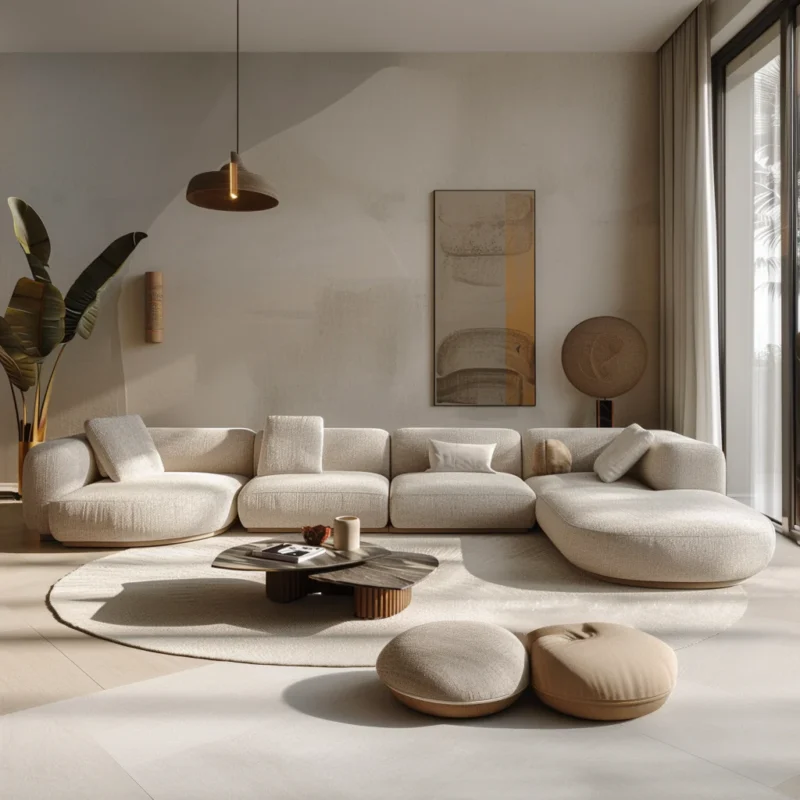
7. Furniture Size and Spatial Perception
Oversized or undersized furniture can distort how a room feels.
Emotional effects:
- Large furniture in small rooms: Overwhelming and suffocating
- Small furniture in large rooms: Empty and disconnected
Solution:
- Maintain proportional balance between furniture and room size
8. Natural Elements and Biophilic Design
Incorporating nature into your home design has proven psychological benefits.
Examples:
- Wooden furniture
- Indoor plants
- Natural fabrics like cotton and linen
Emotional benefits:
- Reduces stress
- Enhances mood and creativity
- Creates a sense of peace and grounding
9. Personalization and Emotional Attachment
Furniture and decor that reflect your personality create emotional comfort.
Why it matters:
- Familiar items provide a sense of security
- Personal touches improve happiness and belonging
Ideas:
- Display meaningful artwork
- Choose furniture that matches your lifestyle
10. The Psychology of Color Combinations
It’s not just individual colors, but how they work together that shapes emotional responses.
Effective combinations:
- Blue + white: Calm and clean
- Beige + brown: Warm and grounded
- Green + gold: Fresh and elegant
Tips for harmony:
- Stick to 2–3 main colors per room
- Use accent colors sparingly
Quick Reference Table: Colors and Their Emotional Effects
| Color | Emotion Triggered | Best Use Area |
|---|---|---|
| Blue | Calm, focus | Bedrooms, offices |
| Red | Energy, passion | Dining rooms, accents |
| Yellow | Happiness | Kitchens, workspaces |
| Green | Balance | Living rooms, bedrooms |
| Gray | Neutral calm | Modern interiors |
Final Thoughts
Your home is constantly influencing your emotions—often without you even realizing it. By understanding the psychology behind furniture and color, you can intentionally design a space that supports your mental and emotional well-being.
Small changes—like adjusting your furniture layout, choosing calming colors, or adding soft textures—can make a significant difference in how you feel every day.
When designing your space, always ask yourself: How do I want to feel here?
Because the right furniture and color choices don’t just make your home look beautiful—they make it feel right.