
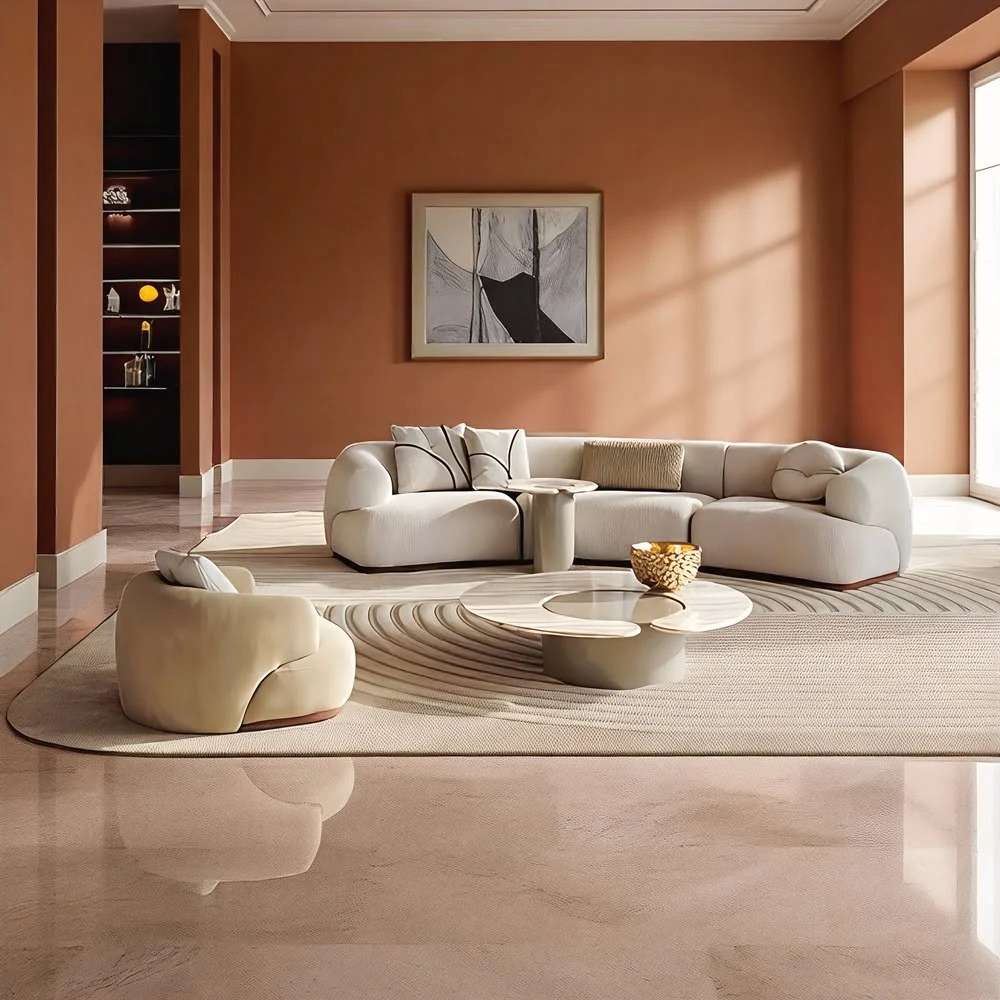
A home furniture upgrade can improve your home’s comfort, style, and functionality. If your furniture is showing signs of wear or no longer suits your lifestyle, these seven signs will help you decide when it’s time for an upgrade. Whether it is a sofa in the lounge, a dining table for family meals, or a bed that supports restful sleep, every piece of furniture plays a major role in everyday life. However, no matter how expensive or well-crafted furniture may be, it does not last forever. Over time, wear and tear can affect its appearance, comfort, and durability.
Many homeowners continue using old furniture for years without realizing that it may be reducing both the beauty and functionality of their homes. Knowing when to replace furniture is important because outdated or damaged pieces can impact comfort, health, and even the overall look of your interior. Home furnishing experts often point to common warning signs such as sagging cushions, unstable frames, persistent odors, and outdated design as practical indicators that replacement may be a better option than repair.
At Coziness Home Furniture, understanding these signs can help homeowners make smart decisions and maintain a stylish, welcoming living environment. In this article, we explore seven major signs that indicate it may be time to replace your furniture in 2026.
Why Replacing Old Furniture Matters
Furniture is not just for decoration. It affects how you live, relax, work, and entertain guests. Old furniture can lead to discomfort, poor posture, and an unattractive interior. Replacing worn-out pieces at the right time helps improve your home’s functionality and refreshes its appearance.
Here are some key reasons why timely replacement matters:
| Reason | Impact on Home |
|---|---|
| Better Comfort | Improves daily relaxation and support |
| Enhanced Appearance | Makes your home look modern and elegant |
| Improved Safety | Prevents accidents from broken or unstable furniture |
| Better Hygiene | Eliminates dust, mold, and trapped odors |
| Increased Functionality | Matches your current lifestyle needs |
1. Visible Wear and Tear Is Everywhere
One of the most obvious signs that your furniture needs replacing is visible damage. Daily use naturally causes scratches, faded fabric, torn upholstery, chipped wood, and loose stitching. While minor marks may be normal, extensive wear can make the entire room look neglected.
A sofa with faded fabric or a dining table with deep scratches may no longer contribute positively to your interior. These signs often indicate that the furniture has reached the end of its practical life. Upholstery experts note that surface damage can sometimes be repaired, but when deterioration is widespread, replacement is often more cost-effective.
Common Wear Signs
- Torn cushions
- Cracked leather
- Peeling veneer
- Deep scratches
- Stubborn stains
- Broken handles
If your furniture looks old even after cleaning, it may be time to consider a new set.
2. It Has Become Uncomfortable to Use
Furniture should provide comfort. If your sofa sinks too deeply, your mattress causes back pain, or your dining chairs feel unstable, these are clear warning signs.
Over time, foam cushions lose their resilience, springs weaken, and support structures wear down. This can affect posture and lead to body aches. Many homeowners ignore this until discomfort becomes noticeable every day.
Comfort Warning Table
| Furniture Type | Sign of Discomfort |
|---|---|
| Sofa | Sagging seats |
| Bed | Uneven mattress support |
| Chair | Hard seating or loose backrest |
| Office Desk Chair | Lack of ergonomic support |
When furniture no longer supports your body properly, replacement becomes a practical investment for health and comfort.

3. Structural Damage Is Becoming Noticeable
Structural issues are one of the strongest indicators that furniture should be replaced. If a chair wobbles, a bed frame creaks loudly, or a cabinet door no longer closes properly, the internal frame may be damaged.
These problems are not just inconvenient — they can become safety hazards. Broken frames can collapse unexpectedly, especially under heavy use. Structural instability is widely considered a top reason for replacement rather than simple repair.
Signs of Structural Failure
- Wobbling tables
- Loose joints
- Cracked wooden frames
- Broken support legs
- Creaking sounds under normal use
Furniture with serious structural issues should not be ignored, especially in homes with children.
4. Your Furniture No Longer Matches Your Style
Interior design trends evolve over time, and so do personal preferences. Furniture that looked perfect years ago may now feel outdated or mismatched with your current decor.
In 2026, homeowners are leaning toward minimalist, multifunctional, and elegant furniture designs. If your existing furniture feels bulky, outdated, or clashes with your modern interior theme, replacing it can instantly transform the room.
Design Trends in 2026
Popular trends include:
- Neutral colors
- Curved silhouettes
- Multifunctional storage furniture
- Sustainable wood finishes
- Smart furniture integration
Replacing outdated pieces can give your home a fresh and luxurious appearance.
5. Persistent Odors and Hygiene Problems
Furniture can absorb odors over time, especially upholstered items like sofas, beds, and recliners. Smoke, food spills, pets, and moisture can create smells that remain even after professional cleaning.
In some cases, old furniture can also trap allergens, dust mites, and mold. This affects indoor air quality and may trigger allergies.
Hygiene Issues to Watch
| Problem | Possible Cause |
|---|---|
| Musty smell | Moisture buildup |
| Pet odor | Absorbed upholstery |
| Dust allergy | Old fabric and foam |
| Mold spots | Humidity damage |
If cleaning no longer solves these issues, replacement is often the best option.
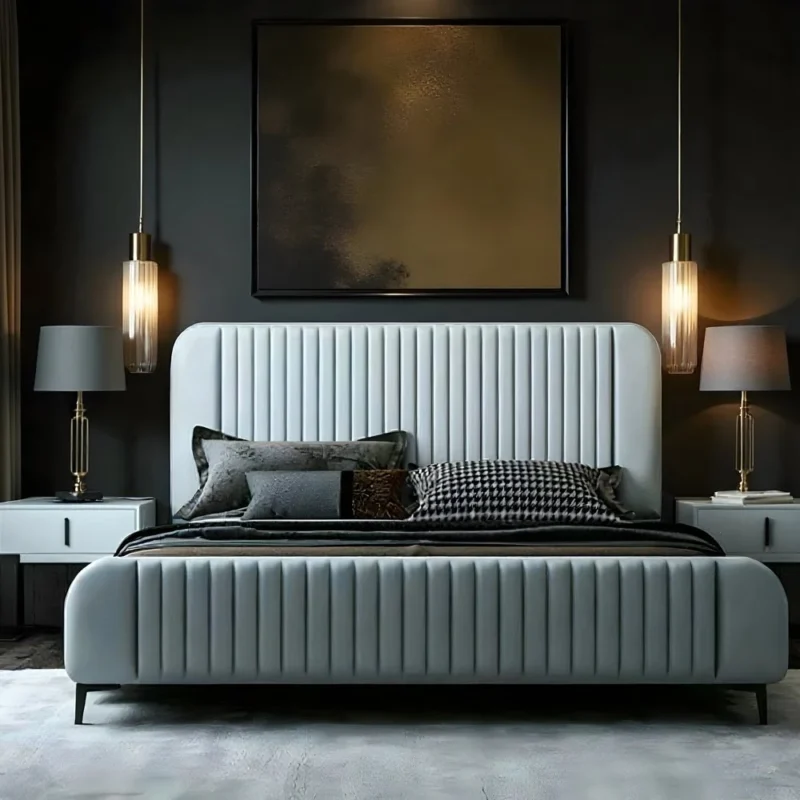
6. Repair Costs Are Too High
Sometimes furniture can be repaired, but the cost may exceed its actual value. Reupholstering a sofa, replacing springs, or repairing damaged wood frames can be expensive, especially for older pieces.
A practical rule is to compare repair costs with the price of buying new furniture. If repairs cost more than half the price of replacement, investing in new furniture usually makes more sense.
Repair vs Replace Comparison
| Situation | Better Choice |
|---|---|
| Minor scratches | Repair |
| Loose screw | Repair |
| Sagging cushions + torn fabric | Replace |
| Broken frame | Replace |
| Outdated style only | Depends on budget |
Many homeowners choose replacement because modern furniture offers improved materials, warranties, and updated designs.
7. Your Lifestyle Has Changed
A major life change often means your furniture needs have changed too. Moving to a new house, getting married, having children, or starting a home office all affect the type of furniture you need.
For example:
- A newly married couple may need a larger bed
- Parents may need safer child-friendly furniture
- Remote workers may need ergonomic office desks
- Apartment residents may prefer compact multifunctional furniture
Lifestyle changes often make old furniture impractical, even if it is still in good condition.
Examples
| Life Event | Furniture Upgrade Need |
|---|---|
| New Home | New room layout |
| Marriage | Larger bedroom set |
| Child Birth | Safer furniture |
| Work From Home | Office furniture |
| Downsizing | Space-saving furniture |
Replacing furniture according to lifestyle ensures your home remains practical and comfortable.
How Long Does Furniture Usually Last?
The lifespan of furniture depends on quality, materials, and daily use.
| Furniture Item | Average Lifespan |
|---|---|
| Sofa | 7–15 years |
| Mattress | 8–10 years |
| Dining Table | 10–20 years |
| Office Chair | 5–10 years |
| Wardrobe | 10–15 years |
Higher-quality furniture can last longer, but heavy use may shorten its lifespan.
Tips Before Replacing Furniture
Before purchasing new furniture, consider these points:
Assess the Condition
Check whether the issue is cosmetic or structural. Cosmetic issues may be repairable, while structural damage often requires replacement.
Measure Your Space
Always measure room dimensions before buying new furniture to ensure a proper fit.
Consider Future Needs
Choose furniture that suits both your current and future lifestyle.
Focus on Quality
Investing in durable materials saves money in the long term.
Final Thoughts
Furniture replacement is not just about buying something new; it is about improving comfort, style, and everyday living. If your furniture shows signs such as visible wear, discomfort, structural damage, persistent odors, or simply no longer matches your home’s style, it may be the right time to upgrade.
Recognizing these signs early helps you avoid unnecessary repairs and ensures your home remains attractive and functional. In 2026, modern furniture is designed not only for style but also for smarter living, making replacement a worthwhile investment for many homeowners.
Whether you are updating a single sofa or redesigning your entire home, choosing the right furniture can make a significant difference in both appearance and comfort.