
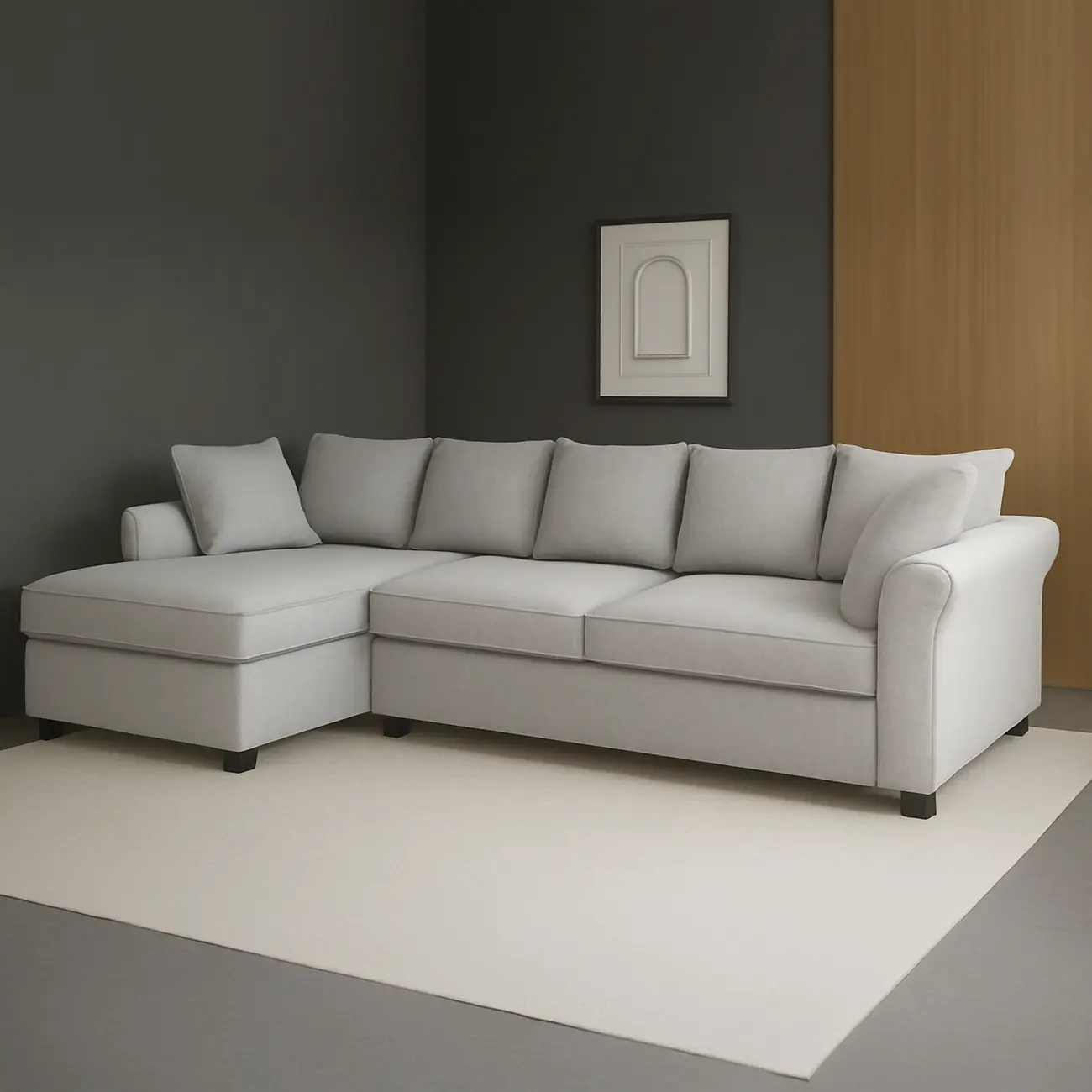
Custom furniture is more than just décor — it’s an investment in comfort, functionality, and personal expression. Whether you’re designing a bespoke sofa, a handcrafted dining table, or a built-in storage solution, custom pieces bring unmatched personality and quality into your home. But great results don’t happen by accident. Many homeowners make avoidable mistakes that cost time, money, and satisfaction.
In this comprehensive guide, we’ll walk through the essential do’s and don’ts you should know before placing a custom furniture order — including the top five mistakes most buyers unknowingly make and how to avoid them.
Introduction: Why Custom Furniture Matters
In a world filled with mass-produced pieces, custom furniture stands apart. It allows you to:
- Tailor size and shape to unique spaces
- Choose materials and finishes that match your style
- Express personality in every detail
- Prioritize quality over factory-line compromises
Yet despite these benefits, many people approach custom orders without the awareness needed for a smooth experience. Custom means personal — but it also requires responsibility.
This guide breaks down what experienced designers and furniture makers wish every customer understood.
DO #1: Know Your Space Before You Order
Measure — Then Measure Again
A common mistake is deciding on a piece before knowing whether it will actually fit.
Do:
- Take accurate height, width, and depth measurements
- Note doorways, staircases, and narrow hallways where furniture will pass
- Understand ceiling heights and architectural quirks
Don’t:
- Assume similar-sized furniture will behave the same
- Forget to measure clearance space for doors, drawers, and seating
Most designers will ask for your room plans, but if you bring accurate measurements, your custom piece can be perfected down to the millimeter.
Pro Tip: Use painter’s tape on the floor to outline the footprint of the piece — this helps you visualize scale in the actual room.
DON’T #1: Ignore How You Live in the Space
Custom furniture isn’t just about visuals; it must work for your lifestyle.
Don’t:
- Choose delicate fabrics if you have kids or pets
- Opt for materials that can’t stand daily use
- Select a design based on pictures alone
Before committing, ask yourself:
- Who will use this piece?
- How often?
- In which room?
- Is this for comfort, display, or function?
Your furniture should be beautiful and usable.
DO #2: Understand Material Choices and Their Impacts
Materials determine durability, comfort, and aesthetics — but not all wood, metal, or textile choices are equal.
Wood Is Not Just Wood
Hardwoods like oak, & MDF offer longevity and character, while softer woods like pine can dent easily.
Do ask:
- Which wood species fits my lifestyle and budget?
- How does grain, color, and aging pattern affect the look over time?
Fabrics Serve Different Purposes
From performance fabrics that resist stains to luxurious velvets that demand care, your selections have consequences.
Do:
- Consider abrasion ratings and cleanability
- Request fabric swatches
- Think about colorfastness in sunlight
Structural Integrity Matters
Custom doesn’t automatically mean well-built. Quality joins, solid frames, and proper construction techniques make all the difference.
Ask:
- What type of joinery is used?
- Is the frame kiln-dried?
- Are cushions wrapped and layered for durability?
Quick Checklist: wood quality, finish method, upholstery grade, cushion fill, hardware strength.
DON’T #2: Choose Looks Over Functionality
A breathtaking design is always tempting — but a piece that doesn’t serve its purpose becomes clutter.
Don’t:
- Sacrifice comfort for trendiness
- Choose overly complex shapes that limit use
- Prioritize aesthetics without thinking how the piece will function day-to-day
For example:
- A sculptural armchair may look stunning but might be uncomfortable for long seating.
- A shallow desk might be pretty but fail to fit a laptop and workspace essentials.
Balance beauty and practicality.
DO #3: Give Clear, Detailed Specifications
Custom furniture thrives on communication. Vague requests produce vague results.
Provide Essential Details:
- Exact dimensions
- Preferred materials
- Color and finish examples
- Photos of your space
- Inspiration images
- Communicate Priorities
Tell your maker what matters most:
- Comfort?
- Durability?
- A specific style era?
- Child-friendly fabric?
Clear instructions prevent guesswork and revisions.
DON’T #3: Skip the Design Review and Prototypes
Some customers rush straight to production thinking they “have the idea.” But professional makers need confirmation.
Don’t:
- Assume sketches alone are enough
- Approve without review or visual confirmation
Always:
- Request digital or physical design proofs
- Review samples of materials
- Ask about miniature models or renderings when possible
Approving a prototype or drawing ensures alignment before crafting begins.
DO #4: Plan Your Budget Realistically
Custom pieces are an investment — not a bargain-basement purchase.
Understand What Affects Cost
- Material quality
- Labor and craftsmanship
- Design complexity
- Custom finishes
- Delivery and installation
Do:
- Set a realistic budget range
- Ask upfront about pricing tiers
- Understand what’s included vs. extra
Budget for Surprises
Sometimes shipping, finishing variations, or unexpected changes add cost.
Having at least a 10% contingency protects you from unpleasant surprises.
DON’T #4: Settle for the First Quote
Price variation can be wide between makers, even for similar quality.
Don’t:
- Accept the first price you receive without comparison
- Hesitate to ask why costs vary
Instead:
- Request quotes from multiple reputable vendors
- Compare materials, craftsmanship, and included services
This gives you confidence you’re paying fairly for value, not just the lowest cost.
DO #5: Allow Enough Time for Production and Delivery
Custom furniture takes time.
Rush orders, while sometimes available, typically come at higher cost and stress.
Do:
- Ask about production lead time
- Include time for revisions and approvals
- Schedule delivery with room preparation in mind
Expect several weeks to a few months depending on complexity.
Rushing a customized build often leads to corners being cut or errors being made.
DON’T #5: Forget After-Delivery Care and Maintenance
Your piece isn’t finished when it arrives — care matters.
Don’t:
- Assume the piece is maintenance-free
- Store wood under direct sunlight without protection
Ask:
- How to care for the material long term?
- What products to avoid?
- Is there a recommended maintenance schedule?
- What warranty or after-service support exists?
This knowledge extends the life and beauty of your investment.
Bonus Tips: Best Practices for a Smooth Custom Furniture Experience
Tip #1: Build a Relationship With Your Maker
Custom furniture is collaborative.
- Be open to feedback
- Ask questions respectfully
- Value the expertise of craftsmen
Strong communication yields better results.
Tip #2: Keep Reference Photos Organized
Create a mood board of inspirations — whether on Pinterest, Google Drive, or printouts.
This visual clarity helps both you and the maker stay aligned.
Tip #3: Confirm Your Return and Revision Policies
Custom pieces often can’t be returned the way off-the-shelf furniture can. So:
- Understand policy upfront
- Know what’s covered under warranty
- Clarify who bears cost for revisions
Tip #4: Think Long-Term
Custom furniture should last decades.
- Choose timeless elements over overly trendy ones
- Favor neutral bases with customizable accents
- Prioritize comfort and versatility
Common Questions About Custom Furniture
Q: How long does custom furniture take?
Typically, custom pieces take several weeks to months after final approval — so plan accordingly.
Q: Can I change my mind after ordering?
This depends on the maker’s policy and production stage. Early changes tend to be easier and cheaper than later ones.
Q: Are custom pieces always more expensive?
Not always — but they usually cost more than mass-produced items because of material quality and labor involved.
Q: What if the piece doesn’t match my expectations?
Clear communication and thorough design proofing minimize surprises. Choose a maker with a good revision process and after-service support.
Conclusion: Your Best Custom Furniture Starts With Smart Planning
Custom furniture transforms spaces — but only when approached with care, clarity, and strategy. By following the do’s and don’ts above, you’ll avoid the most common pitfalls, make informed choices, and enjoy pieces that are truly yours.
To recap, remember:
✔ Do measure your space accurately.
✘ Don’t pick materials without knowing how they behave.
✔ Do give detailed specifications.
✘ Don’t skip design reviews.
✔ Do understand your budget and timeline.
✘ Don’t ignore care and maintenance.
When thoughtfully ordered, custom furniture doesn’t just fill a room — it enhances how you live in it.