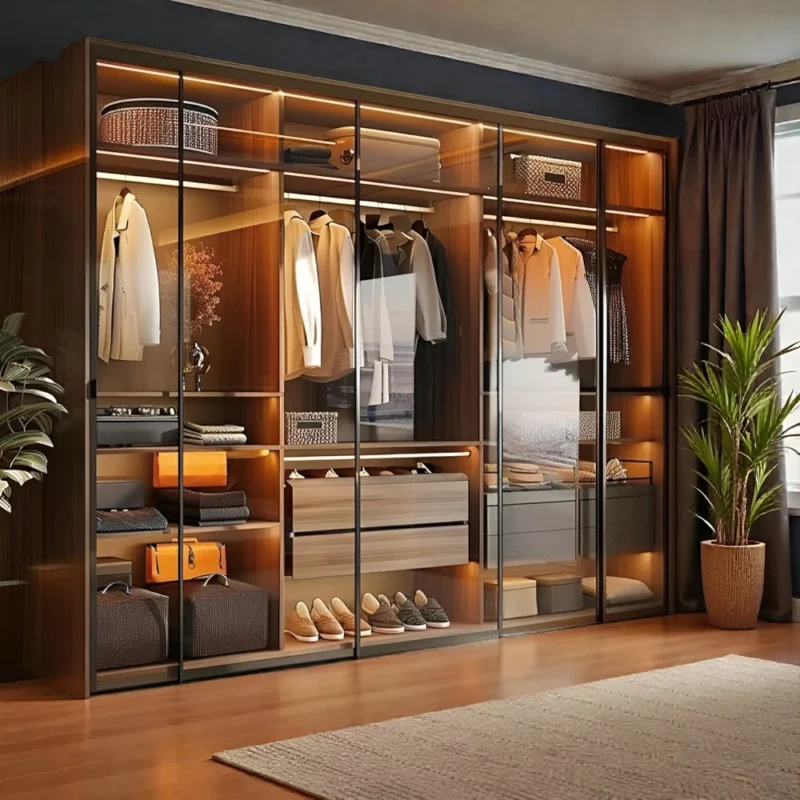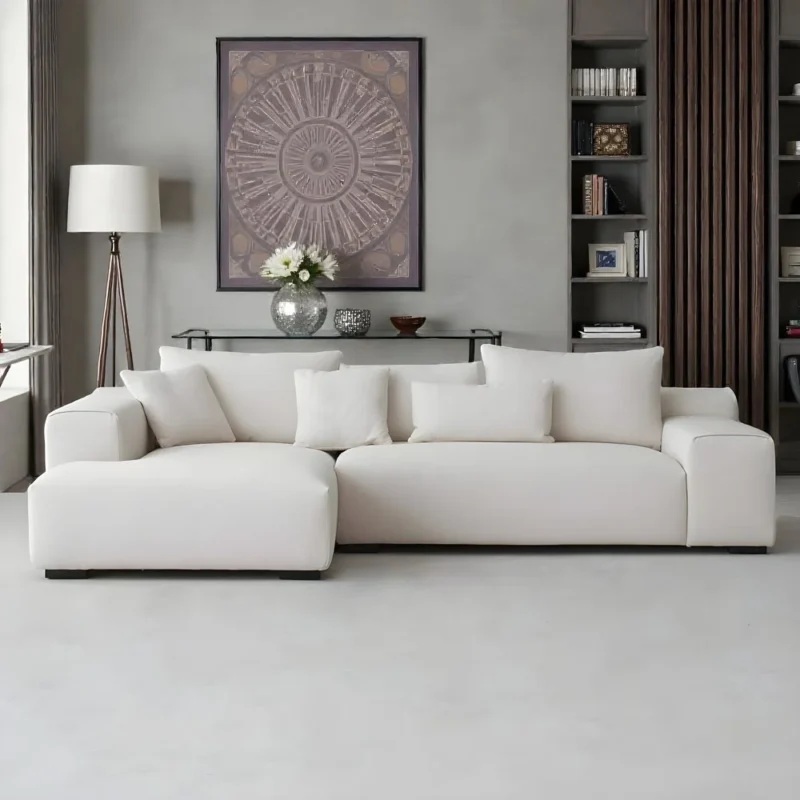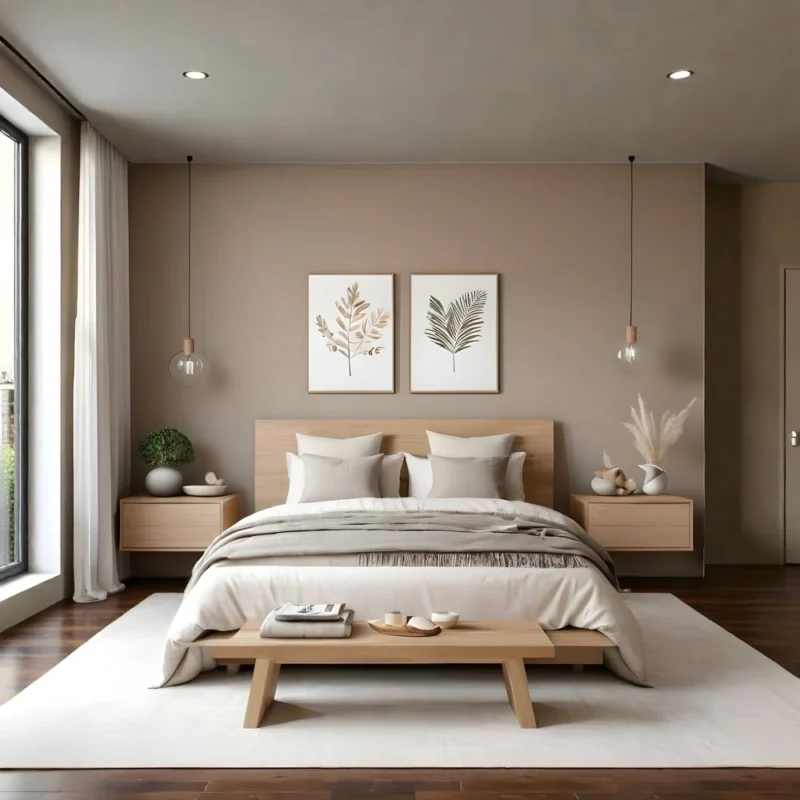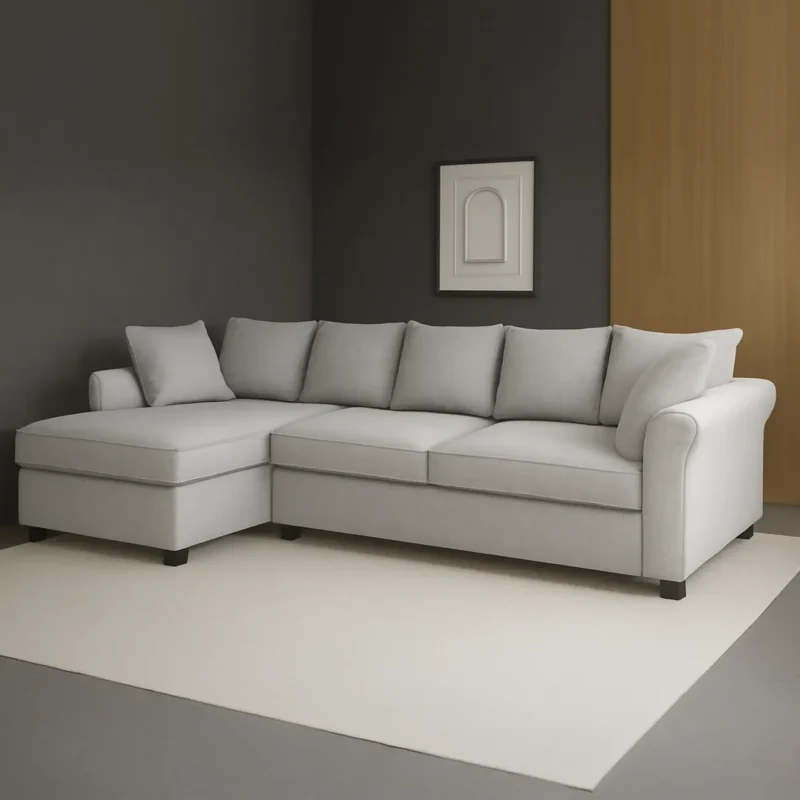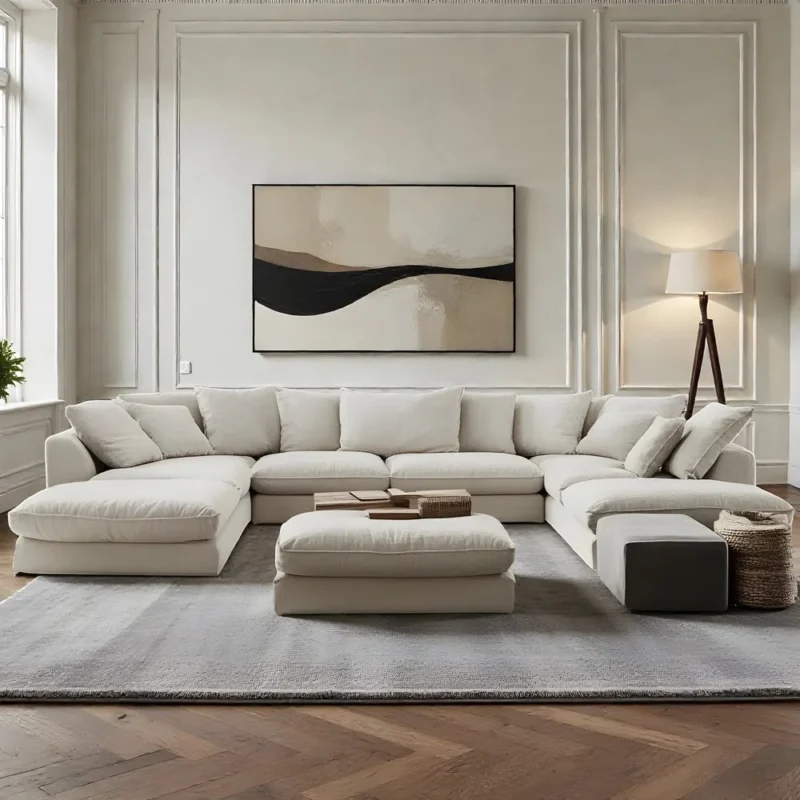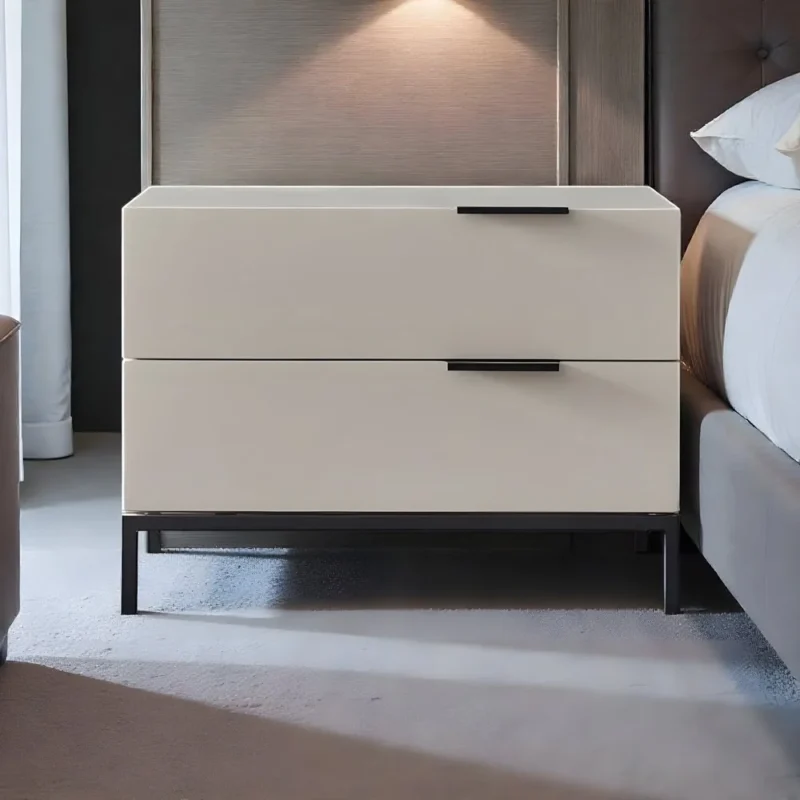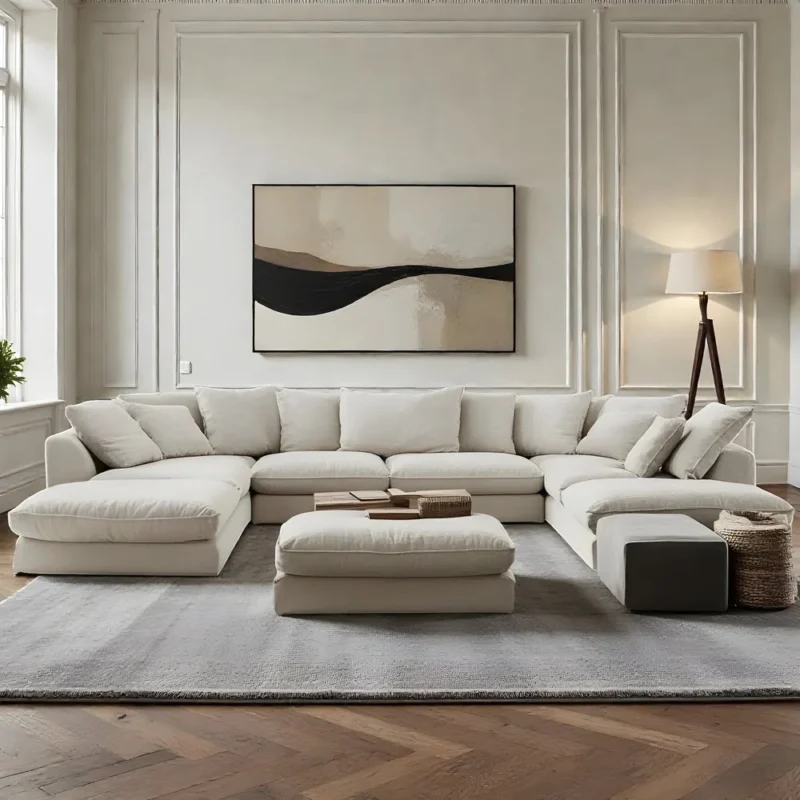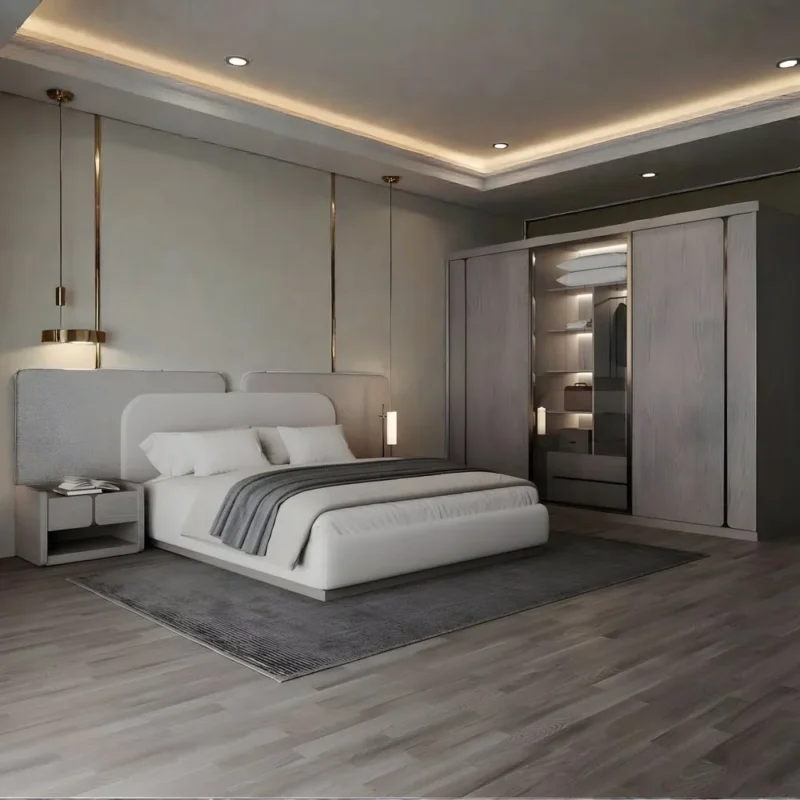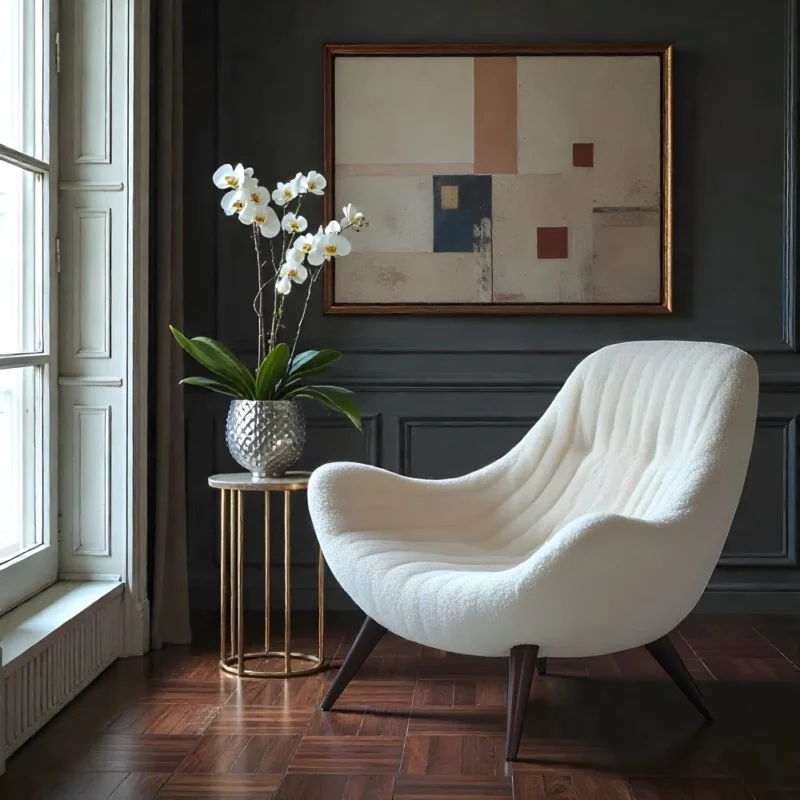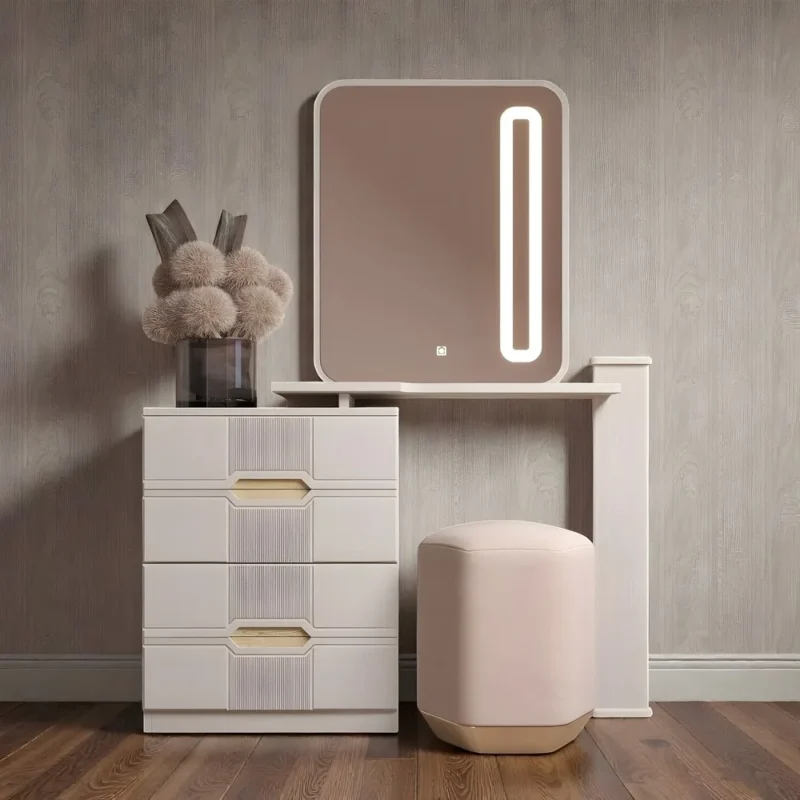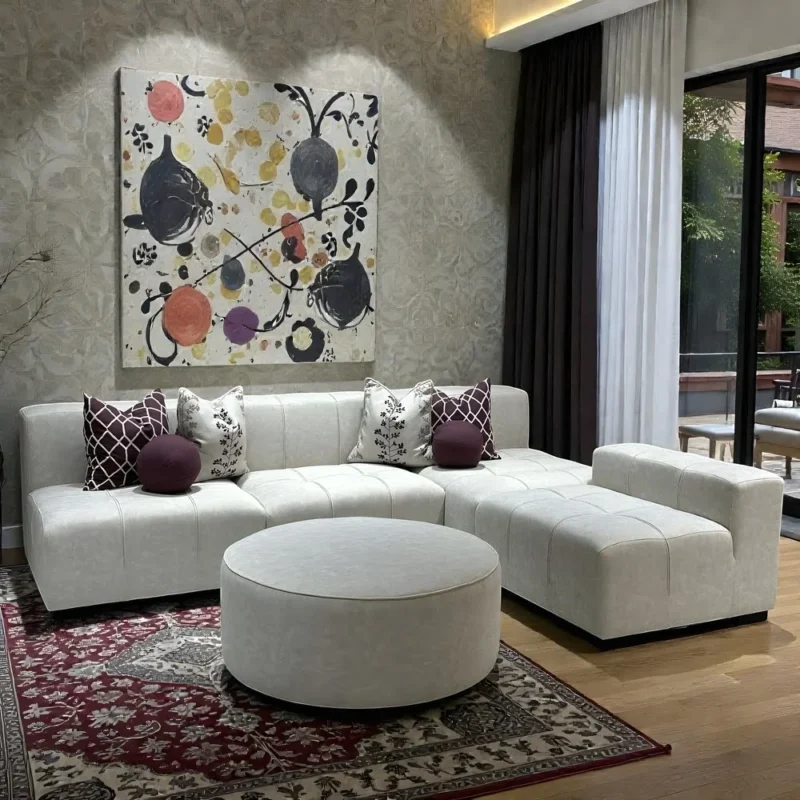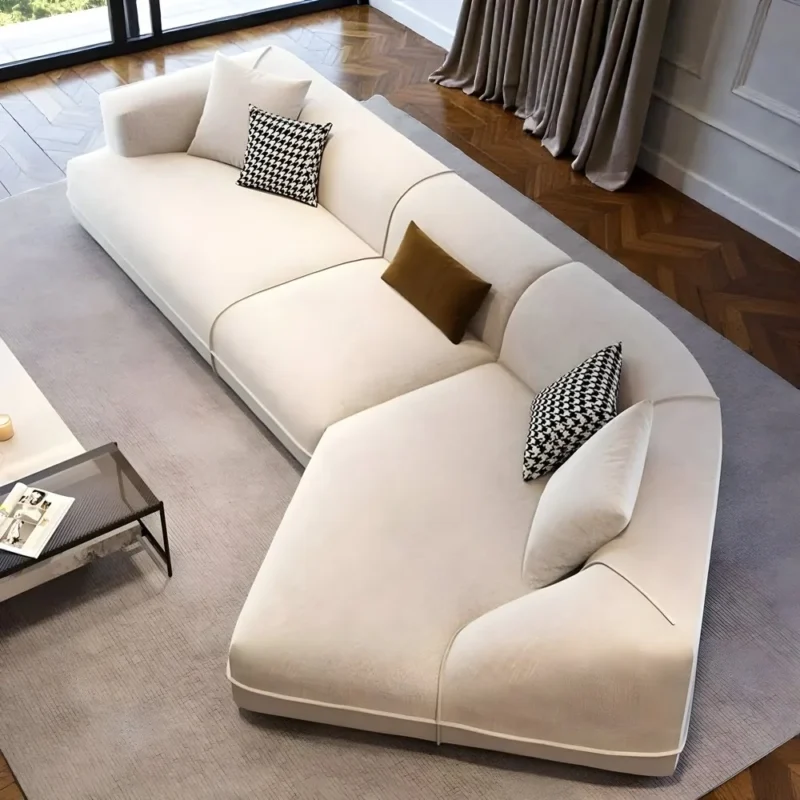

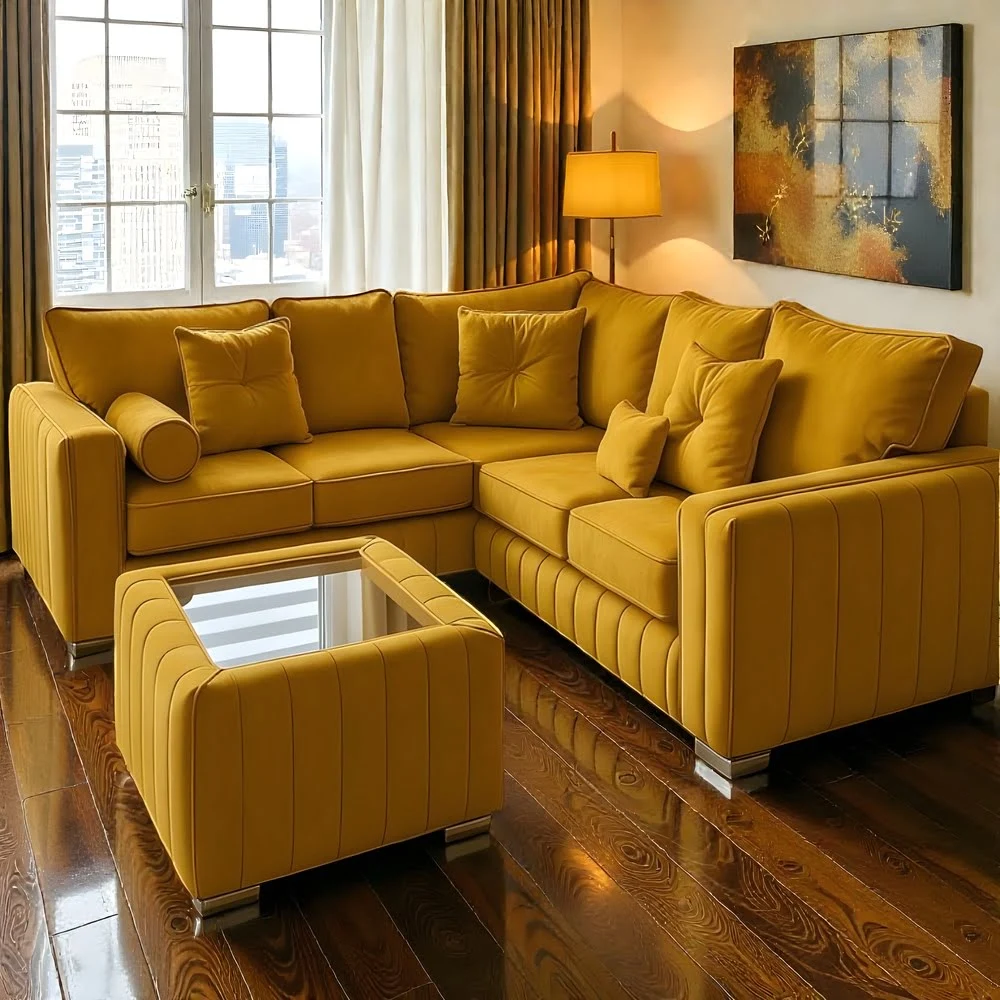
Designing your own custom furniture is one of the most rewarding ways to transform your home into a space that truly reflects your personality, lifestyle, and functional needs. Unlike mass-produced furniture, custom pieces allow you to control every detail — from dimensions and materials to colors, finishes, and features. Whether you are furnishing a new home, upgrading a single room, or solving a specific space challenge, creating bespoke furniture ensures your investment is both practical and timeless.
With guidance from professionals like Coziness Home Furniture, homeowners can confidently move from concept to completion without feeling overwhelmed. This comprehensive guide will walk you through every stage of designing your own custom furniture — from initial inspiration to final installation.
Understanding Why Custom Furniture Matters
Before diving into the process, it is important to understand why custom furniture is worth considering.
Personalization
Custom furniture gives you complete control over aesthetics. You are not limited to what is available in showrooms; instead, you can design pieces that match your vision perfectly.
Perfect Fit for Your Space
Standard furniture sizes may not suit your room layout. Custom pieces are especially valuable for:
- Small apartments
- Irregular room shapes
- Villas with large open spaces
- Multi-functional rooms
- Quality and Longevity
Custom furniture is typically crafted with better materials and craftsmanship, making it more durable than mass-produced options.
Functional Solutions
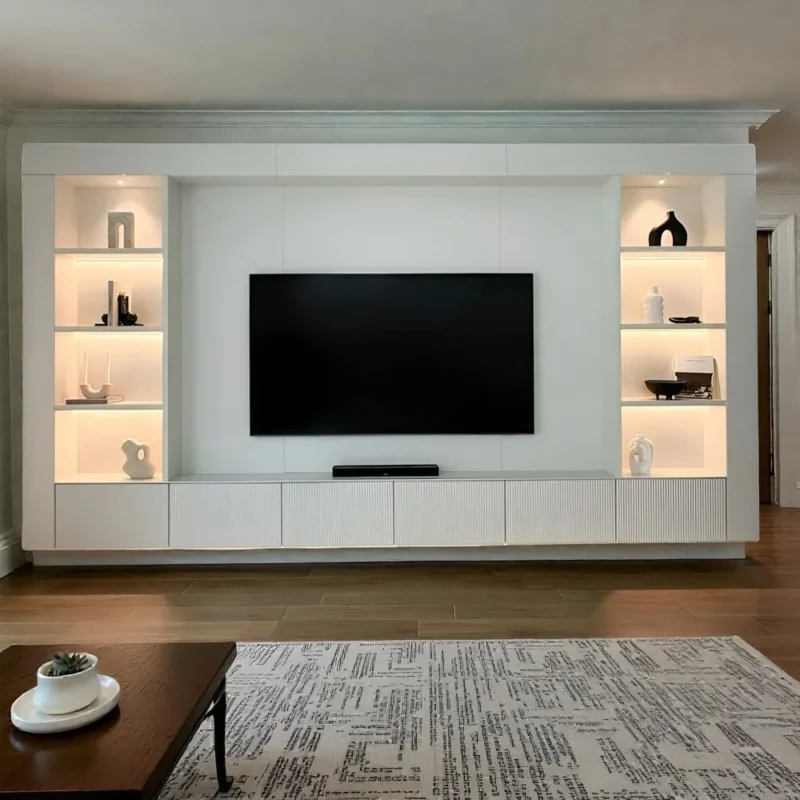
Need hidden storage? A multi-purpose sofa bed? A wall-mounted TV unit with integrated lighting? Custom furniture allows you to integrate functionality seamlessly.
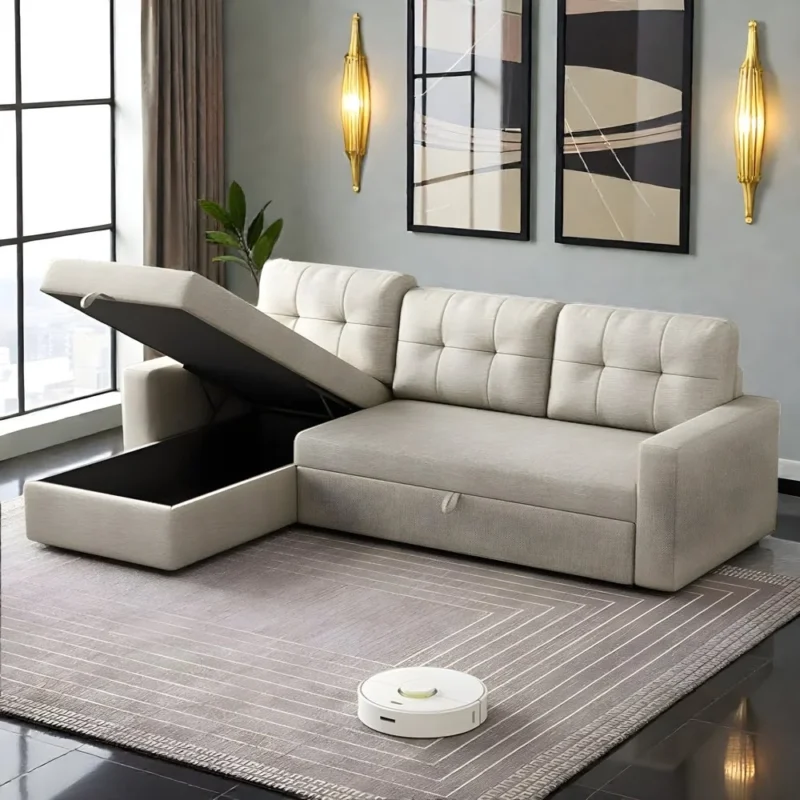
Step One: Define Your Purpose and Needs
The first step is clarity.
Ask yourself:
- What problem am I solving?
- Who will use this furniture?
- How often will it be used?
- What features are essential?
For example:
- A family sofa requires durability and stain-resistant fabric.
- A TV unit may need cable management and storage.
- A wardrobe might need specialized compartments.
Write down your priorities before moving forward.
Step Two: Measure Your Space Accurately
Accurate measurements are critical in custom furniture design.
Key Measurements to Take:
- Length, width, and height of the room
- Doorways and entry points
- Window positions
- Electrical outlets
- Ceiling height
- Walking clearance space
Pro Tip: Always leave at least 60–90 cm for walking pathways around furniture.
If you are unsure, professional measurement services are highly recommended to avoid costly mistakes.
Step Three: Find Your Design Inspiration
Inspiration helps translate ideas into reality.
Sources of Inspiration:
- Interior design magazines
- Pinterest boards
- Instagram home decor pages
- Furniture showrooms
- Hotel interiors
- Nature textures and colors
Create a mood board with:
- Colors you like
- Furniture styles
- Materials
- Lighting ideas
- Layout references
This visual guide will help designers understand your taste quickly.
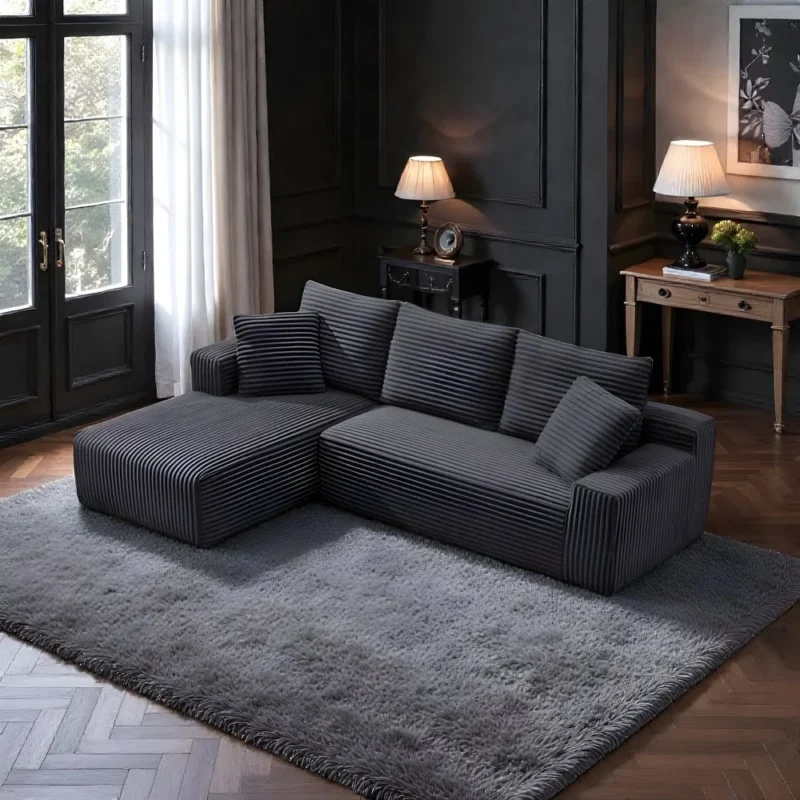
Step Four: Choose Your Furniture Style
Your furniture should complement your overall interior theme.
Popular Styles:
Modern Minimalist
- Clean lines
- Neutral colors
- Simple forms
- Functional focus
Contemporary Luxury
- Elegant finishes
- Metallic accents
- Soft textures
- Statement pieces
Scandinavian
- Light wood tones
- Bright spaces
- Cozy fabrics
- Functional simplicity
Classic / Traditional
- Detailed craftsmanship
- Rich wood finishes
- Timeless elegance
Industrial
- Metal and wood combination
- Raw textures
- Urban aesthetic
Choosing a style ensures consistency across your home.
Step Five: Select the Right Materials
Material selection impacts durability, comfort, maintenance, and appearance.
Common Furniture Materials:
Wood Options
- Solid wood (durable and premium)
- Engineered wood (cost-effective)
- MDF (smooth finish for painting)
- Plywood (strong and versatile)
Upholstery Fabrics
- Velvet (luxury look)
- Linen (breathable and natural)
- Leather (durable and premium)
- Polyester blends (easy maintenance)
Metal Components
- Stainless steel
- Aluminum
- Powder-coated iron
Surface Finishes
- Matte
- Gloss
- Textured
- Natural wood grain
Always consider climate conditions. For example, humidity resistance is important in certain environments.
Step Six: Focus on Comfort and Ergonomics
Beautiful furniture is meaningless if it is uncomfortable.
Ergonomic Considerations:
- Sofa seat depth and height
- Backrest angle
- Cushion density
- Armrest positioning
- Table height vs chair height
Testing similar furniture in showrooms can help you understand what feels comfortable.
Step Seven: Add Functional Features
Custom furniture allows you to integrate smart features that improve usability.
Examples include:
- Hidden storage compartments
- Built-in lighting
- Charging ports
- Cable management systems
- Modular sections
- Extendable tables
- Adjustable shelving
Think about your daily routine and design accordingly.
Step Eight: Choose Colors and Finishes Carefully
Color selection affects mood, perception of space, and overall design harmony.
Tips:
- Light colors make rooms look larger.
- Dark colors add sophistication.
- Neutral tones are timeless.
- Bold colors create statement pieces.
Coordinate furniture colors with:
- Wall paint
- Curtains
- Flooring
- Rugs
- Decorative elements
Consistency creates a cohesive interior design.
Step Nine: Work with Professional Designers
Professional guidance simplifies the process and prevents mistakes.
Design experts can help with:
- 3D visualization
- Material recommendations
- Space planning
- Budget optimization
- Structural safety
Seeing a 3D model before production allows adjustments before manufacturing begins.
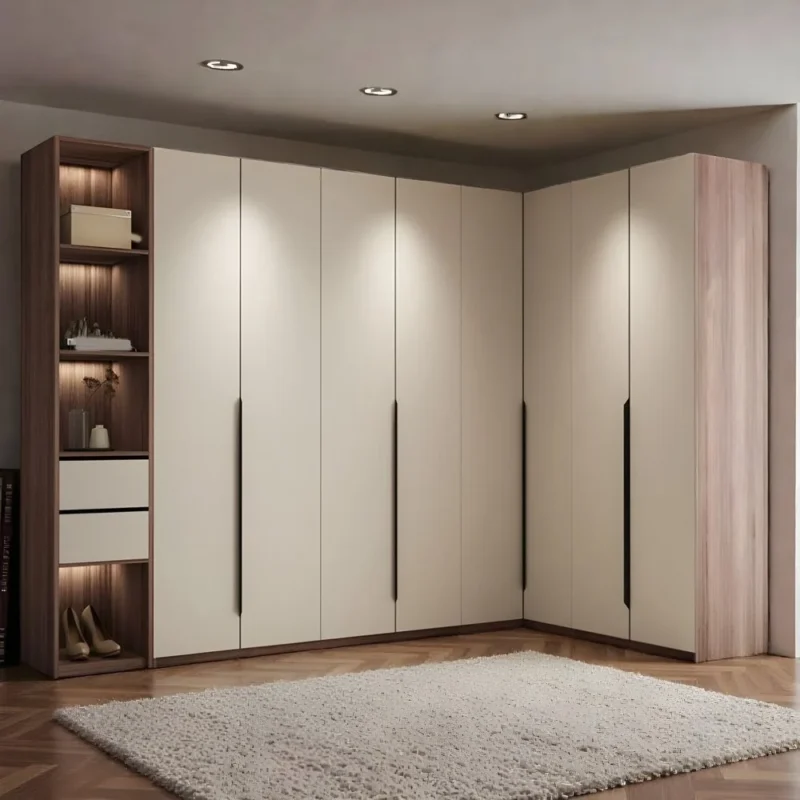
Step Ten: Budget Planning
Custom furniture is an investment, so budgeting is essential.
Factors Affecting Cost:
- Materials used
- Size and complexity
- Hardware quality
- Upholstery fabric
- Custom features
- Craftsmanship level
Set a realistic budget range and prioritize features that matter most.
Remember: quality furniture lasts longer, reducing replacement costs over time.
Step Eleven: Production and Craftsmanship
Once the design is finalized, production begins.
High-quality furniture manufacturing typically involves:
- Material cutting
- Frame construction
- Assembly
- Sanding and finishing
- Upholstery work
- Quality inspection
Experienced craftsmen ensure structural strength and finishing precision.
Step Twelve: Delivery and Installation
Professional installation ensures:
- Proper alignment
- Secure mounting
- Damage prevention
- Correct positioning
- Safety compliance
Large pieces like wardrobes, TV units, and wall panels should always be installed by experts.
Step Thirteen: Maintenance and Care
Proper maintenance extends furniture lifespan significantly.
Maintenance Tips:
- Clean regularly with appropriate products
- Avoid direct sunlight exposure
- Use protective pads under heavy items
- Vacuum upholstery weekly
- Polish wooden surfaces periodically
Follow manufacturer care instructions for best results.
Common Mistakes to Avoid
Many homeowners make avoidable mistakes during custom furniture projects.
Avoid These Errors:
- Incorrect measurements
- Ignoring comfort for aesthetics
- Choosing trendy over timeless designs
- Poor material selection
- Overcomplicated designs
- Lack of storage planning
- Skipping professional consultation
Planning carefully prevents regret later.
Benefits of Working with Custom Furniture Experts
Collaborating with experienced furniture specialists offers several advantages:
- Professional design guidance
- High-quality materials
- Skilled craftsmanship
- Accurate measurements
- Custom solutions for unique spaces
- Warranty and support
- Stress-free experience
This partnership ensures your vision becomes reality without unnecessary complications.
Custom Furniture Trends in Modern Homes
Current trends influencing custom furniture design include:
- Multifunctional furniture for small spaces
- Minimalist aesthetics
- Sustainable materials
- Neutral color palettes
- Smart furniture integration
- Curved and organic shapes
- Floating furniture designs
- Built-in storage solutions
These trends focus on comfort, efficiency, and modern lifestyles.
Final Thoughts: Turning Your Vision into Reality
Designing your own custom furniture is more than just choosing materials and colors — it is about creating a living environment tailored specifically to your needs. From concept planning and measurements to production and installation, every step plays an important role in achieving the perfect outcome.
Custom furniture allows you to express individuality, maximize space efficiency, and invest in long-lasting quality. With the right planning, professional guidance, and attention to detail, you can create furniture that not only looks stunning but also enhances your daily life.
Your home should tell your story — and custom furniture is one of the most powerful ways to do it.